
Hippeastrum evansiae
Hippeastrum evansiae
Description
Growing requirements
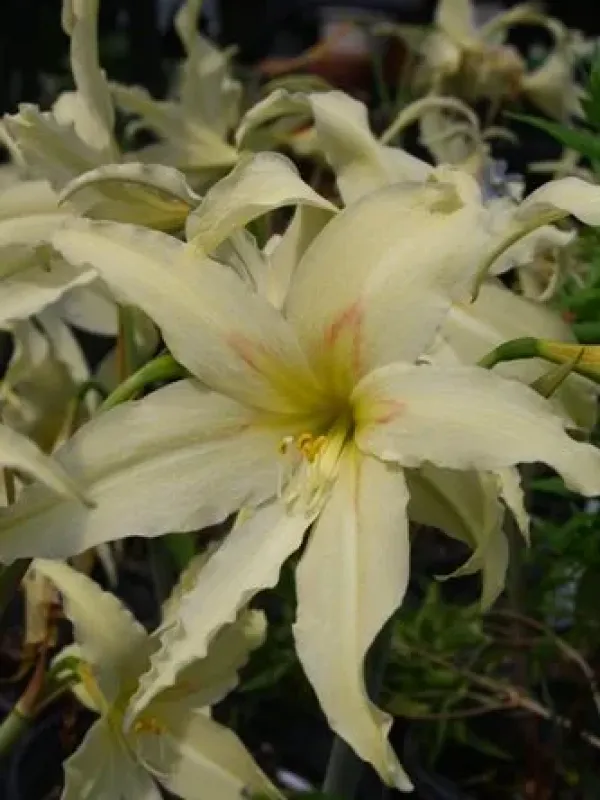
Hippeastrum evansiae is a rare and distinct bulbous species belonging to the Amaryllidaceae family. Native to the specific environments of Bolivia, this plant is characterized by its unique, delicate, and often pale yellow-to-cream flowers that set it apart from common hybrids.
The cultivation of this species requires a location with bright, indirect sunlight. Exposure to harsh, direct sunlight can lead to leaf scorch and damage the plant's structural integrity, while insufficient light often prevents the plant from forming flower buds.
Soil composition is crucial for the health of Hippeastrum evansiae. It thrives in a well-draining, porous mixture that prevents water logging around the bulb, which is highly susceptible to decay if the substrate is too dense or constantly damp.
Proper watering techniques involve keeping the soil slightly moist during the growth phase, but the plant must be allowed to dry out significantly between waterings. Maintaining a consistent temperature range helps the plant transition smoothly between its active and dormant cycles.
A distinct dormancy period is a necessary part of the plant's lifecycle. During this time, the plant should be kept in a cooler, darker environment with minimal water to encourage the energy reserves within the bulb to focus on future flowering.
Main diseases and pests
The most common disease affecting this species is Stagonospora curtisii, commonly known as red blotch. This fungal pathogen manifests as red streaks or spots on the bulb scales and leaves, often caused by excessive humidity and poor air circulation.
Pests such as mealybugs and aphids can pose a significant threat to Hippeastrum evansiae. These insects typically infest the base of the leaves and the bulb scales, where they feed on sap and potentially transmit various viral infections.
Root mites are another hidden danger that can damage the root system, leading to a stunted growth cycle. Regular inspection of the bulb and roots during repotting is essential to detect these pests early enough to prevent a total infestation.
If decay or rot is detected, it is vital to isolate the plant immediately to prevent the spread of pathogens. Surgical removal of diseased tissues followed by treatment with systemic fungicides is the recommended strategy for recovery.
Maintaining a clean growing environment, using sanitized pots, and ensuring proper ventilation are the best preventative measures against common threats. Consistent observation is the primary key to maintaining a healthy specimen of this rare bulbous plant.