
Parrot Amaryllis
Hippeastrum psittacinum
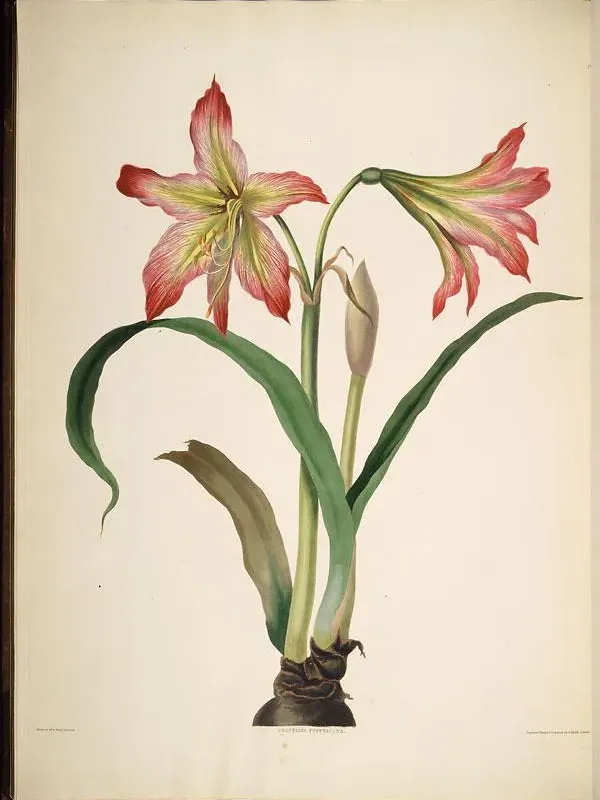
Description
Growing requirements
The Parrot Amaryllis (Hippeastrum psittacinum) is a distinctive member of the Amaryllidaceae family, native to the tropical regions of Brazil. This species is celebrated for its unique, parrot-like flowers, characterized by vibrant red and green color combinations that set it apart from common hybrids.
Botanically, it grows from a large bulb that serves as a vital energy reservoir. The foliage consists of long, strap-shaped leaves, while the robust flower stalks emerge during the growth phase, producing large, showy blooms that are highly valued in ornamental collections.
Success in cultivation requires a well-draining, nutrient-rich soil medium. It thrives in conditions that mimic its natural habitat: bright, indirect sunlight is preferred to avoid leaf scorching while ensuring enough light energy for blooming.
Agricultural practices center on controlled watering cycles. During the growing season, plants need consistent moisture, but it is critical to keep water away from the bulb crown to prevent rot. A dormant period with reduced watering and lower temperatures is mandatory for flower bud initiation.
Fertilization with a balanced, potassium-rich fertilizer during the active vegetative stage is essential. This promotes vigorous root development and ensures the bulb has sufficient nutrients to produce high-quality flowers in the following season.
Main diseases and pests
Red blotch (Stagonospora curtisii) is the most significant fungal threat to the species, causing red spots or streaks on leaves and bulbs. Good hygiene and avoiding excessive moisture are the best preventative measures against this pathogen.
Pests such as mealybugs and scale insects often infest the foliage and bulb scales. Manual removal followed by treatment with systemic insecticides is necessary to effectively manage these infestations in greenhouse and home settings.
Root rot, primarily caused by waterlogged soil and poor drainage, remains the most common cultural mistake. Ensuring a porous substrate and adequate drainage holes is critical to maintaining the health of the bulbous root system.
Spider mites can become a nuisance in environments with low humidity. Regular inspection of the undersides of the leaves and occasional misting help to mitigate the risk of mite outbreaks.
Thrips can also damage the developing flower buds, leading to deformed or mottled petals. Monitoring for signs of activity and applying targeted pesticides can protect the blooms and maintain the plant's aesthetic value.