
Leopard hippeastrum
Hippeastrum pardinum
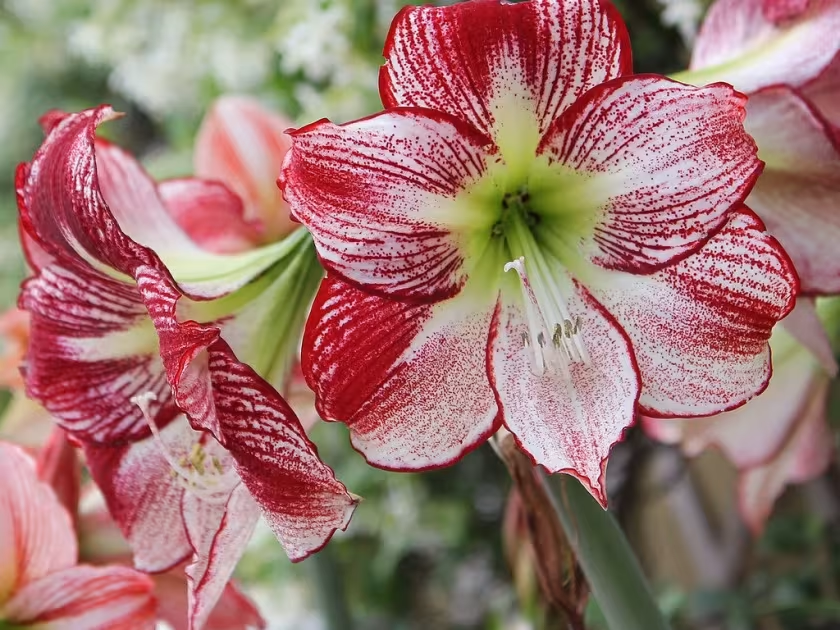
Description
Growing requirements
The leopard hippeastrum, known botanically as Hippeastrum pardinum, is a tropical bulbous plant belonging to the Amaryllidaceae family. It is native to the Andean regions of Peru and Bolivia.
Successful cultivation requires a well-draining potting medium rich in organic matter. A mixture of peat, perlite, and bark is often recommended to mimic the natural epiphytic-like growing conditions of its native habitat.
Light requirements are high, yet the plant prefers indirect or filtered sunlight. Excessive heat and direct sun exposure during peak hours can lead to leaf scorching and premature yellowing of the foliage.
Water management is crucial during the active growing cycle. The soil should remain consistently moist but never waterlogged to prevent bulb rot. During the dormancy period, watering should be significantly reduced.
Economically, this species is highly valued in the horticultural industry for its distinct leopard-like spotting pattern, making it a sought-after variety for both collectors and hybridizers.
Main diseases and pests
Stagonospora curtisii, commonly known as red blotch disease, is the primary fungal threat. It manifests as red spots or lesions on bulbs and leaves, necessitating strict hygiene and the use of fungicides.
Spider mites are a major concern in low-humidity environments. These small pests colonize the underside of leaves, causing webbing and discoloration, which can be mitigated by increasing air moisture.
Mealybugs can cluster in the bulb scales or leaf axils, weakening the plant by draining its sap. Systemic insecticides or regular manual inspection and cleaning are effective management strategies.
Root rot is often caused by heavy, compacted soils that do not allow the roots to breathe. Providing an adequate drainage layer of clay pebbles or perlite is essential to ensure long-term plant health.
Thrips pose a threat to flowering, as they feed on petals and developing buds. Regular monitoring and the application of suitable insecticidal sprays can protect the aesthetic value of the inflorescence.