
Hemigyrosa
Hemigyrosa
Hemigyrosa is a genus of evergreen trees belonging to the Sapindaceae family. Native to the tropical regions of Southeast Asia, these plants are primarily found in dense forest ecosystems, contributing significantly to the local biodiversity and structural complexity of the forest canopy.
What the section contains

Hemigyrosa
The culture thrives in environments characterized by high annual precipitation and consistently warm temperatures. As a tropical species, it is highly sensitive to frost and cold snaps, requiring a frost-free environment to maintain its metabolic activity and vegetative growth throughout the year.
Optimal soil conditions for Hemigyrosa involve well-draining, nutrient-rich substrates. The plant exhibits a low tolerance for waterlogged soils, which may induce root rot and significantly compromise the health of the tree. Ensuring adequate soil aeration is crucial for its development.
Agricultural management of the species involves periodic monitoring of the canopy and soil nutrient status. Given its ecological profile, the plant benefits from mulching and the maintenance of a microclimate that prevents excessive soil moisture evaporation during drier periods of the year.
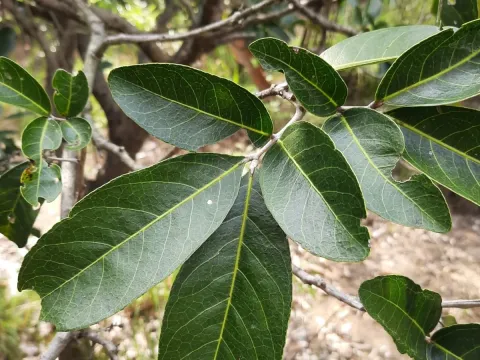
Botanically, the species is distinguished by its pinnate leaves and complex flowering structures. Beyond its ecological role, the wood and plant biomass have historically been utilized in local forestry practices, while the fruit provides a consistent food source for various forest-dwelling species.