
Horse chestnut hybrids
Aesculus hybrids
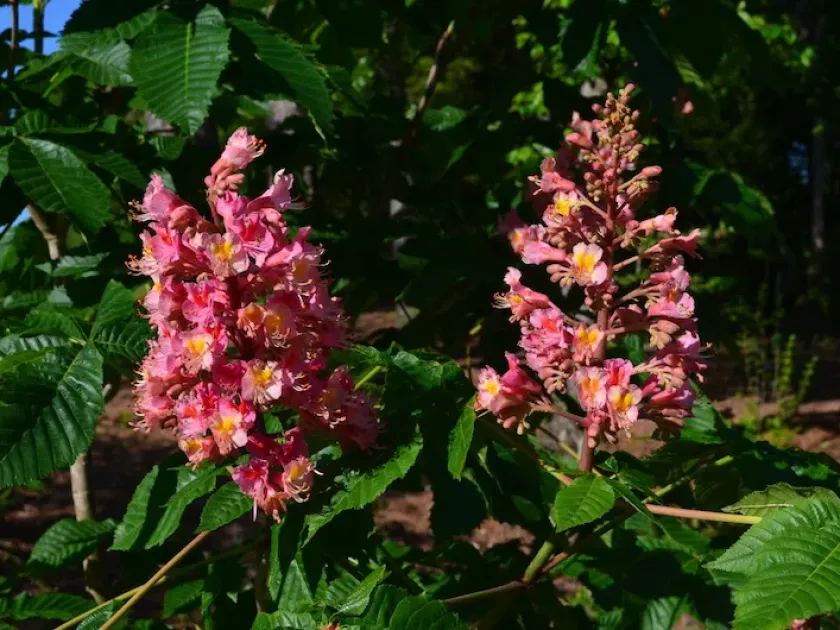
Description
Sowing dates
The planting of horse chestnut hybrids (Aesculus hybrids) is best performed during the dormant season, specifically in late autumn or early spring. Autumn planting allows for root establishment before the winter dormancy period, providing a head start for spring growth.
When propagating via seeds, sow them shortly after harvest in autumn, as they require a cold stratification period to germinate effectively. Plant the seeds at a depth of 8 to 10 centimeters in moist, well-draining soil.
For container-grown saplings, spring planting is preferred to avoid the risk of severe frost damage to young, tender roots. Ensure the planting hole is twice the diameter of the root ball to encourage horizontal root expansion.
Soil preparation is crucial; incorporating organic matter such as well-rotted compost into the planting hole improves soil structure and nutrient retention. Avoid planting too deeply, as this can lead to root rot and bark damage.
Maintaining proper spacing is essential to prevent overcrowding as these trees mature. Allowing sufficient space ensures optimal air circulation, which reduces the humidity levels that often contribute to fungal development in the canopy.
Growing requirements
Belonging to the Sapindaceae family, horse chestnut hybrids thrive in deep, rich, moist, and well-drained soils. They perform best in slightly acidic to neutral soil conditions, showing signs of nutrient deficiency if grown in highly alkaline environments.
These trees require significant exposure to sunlight for healthy development and high-quality floral displays. While they can tolerate light shade, full sun promotes denser foliage and more vibrant autumn coloration.
Environmental requirements include a stable water supply, especially during the establishment phase. While mature trees exhibit a degree of drought tolerance, consistent moisture prevents premature leaf scorch and promotes overall tree vigor.
Climate adaptability is a hallmark of many Aesculus hybrids, allowing them to withstand various temperate zones. However, young specimens should be protected from harsh, drying winds using windbreaks or protective wraps during the first few winters.
Regular mulching around the root zone helps maintain soil moisture, regulates temperature, and suppresses weed growth. Applying a layer of organic mulch annually contributes to long-term soil health and root protection.
Main diseases and pests
The horse chestnut leaf miner (Cameraria ohridella) represents the most significant pest threat to these trees. Its larvae tunnel through leaf tissue, causing leaves to wither and fall prematurely, which can stress the tree over multiple seasons.
Leaf blotch, caused by the fungus Phyllosticta aesculi, is a common ailment characterized by necrotic spots on leaves. This disease flourishes in humid conditions and can be mitigated by keeping the area beneath the tree clean.
Powdery mildew may occur on young shoots if airflow is restricted within the canopy. Improving ventilation through careful pruning is the most effective biological approach to managing this fungal condition.
Secondary pests, such as wood-boring insects, may target trees already weakened by environmental stress or primary diseases. Maintaining tree health through proper fertilization and watering is the best preventative strategy.
Sanitation practices, including the removal and destruction of fallen leaves, are vital to breaking the pest and disease lifecycle. By removing these reservoirs, growers can significantly decrease the incidence of re-infection in subsequent years.