
Hemigyrosa canescens
Hemigyrosa canescens
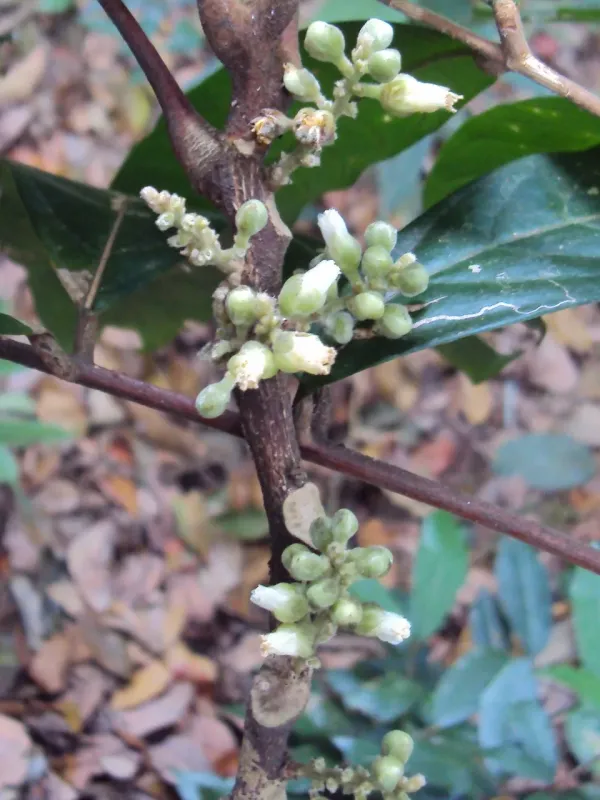
Description
Growing requirements
Hemigyrosa canescens belongs to the Sapindaceae family, characterized by its evergreen foliage and distinct hairy shoots. As a tropical woody species, it plays a role in local biodiversity within its native range, providing shelter and resources in forest ecosystems.
The plant originates from the tropical regions of South Asia, specifically thriving in environments with consistent warmth and high humidity. It is perfectly adapted to forest understories where light filtration and soil moisture levels remain relatively stable throughout the year.
Cultivation requires specific climatic conditions, primarily high ambient temperatures and a lack of frost. It does not tolerate cold drafts or sudden temperature drops, which can lead to stress responses, including leaf drop and stunted growth of the apical buds.
Regarding soil requirements, the species performs best in well-drained, nutrient-rich loamy soils. Good aeration of the root system is vital to prevent root rot, and the substrate should ideally have a slightly acidic to neutral pH profile to maximize nutrient uptake.
Agrotechnical management involves careful monitoring of irrigation, especially during the dry season, and the application of mulch to conserve soil moisture. Pruning should be restricted to removing dead or damaged branches to maintain the tree's natural structure.
Main diseases and pests
The primary threats to the species include fungal infections that manifest in stagnant air conditions or waterlogged soil. Leaf spot diseases are common and can reduce photosynthetic capacity if allowed to spread across the entire canopy of the tree.
Insect pests such as scale insects and spider mites are frequent nuisances. These pests feed on the sap of tender leaves, causing discoloration and deformation, which directly affects the overall vigor and growth rate of the Hemigyrosa specimen.
Proactive management involves integrated pest control strategies. Maintaining plant spacing that allows for adequate airflow is the first line of defense against humidity-related diseases and insect population explosions during the wet season.
If chemical interventions are necessary, they must be applied selectively to avoid disturbing the ecosystem. Systemic treatments should be avoided unless the infestation reaches critical thresholds, favoring targeted applications on affected areas only.
Monitoring the plant for signs of stress or pest presence should be routine practice for growers. Early detection is crucial, as the slow-growing nature of the plant makes recovery from severe defoliation or trunk damage a lengthy and complex process.