
Haworthiopsis viscosa
Haworthiopsis viscosa
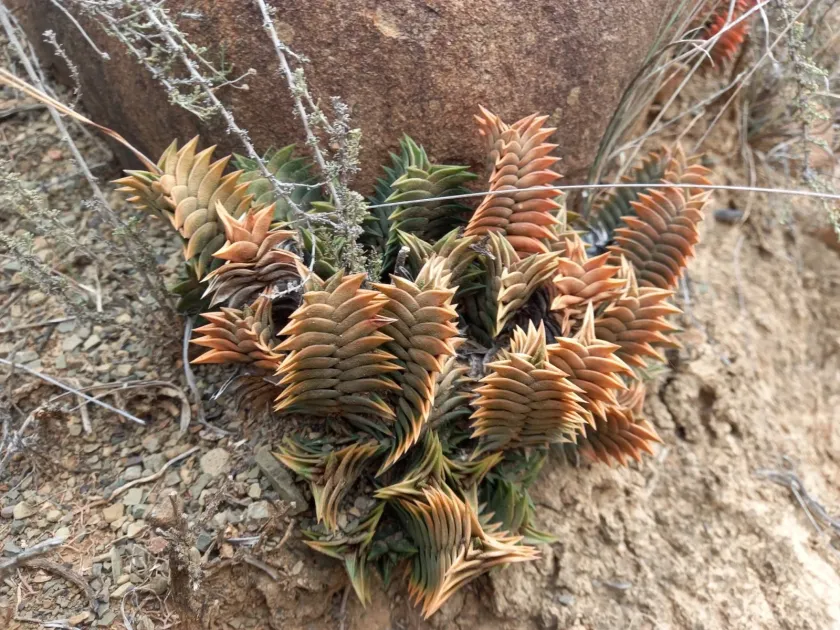
Description
Growing requirements
Haworthiopsis viscosa is a slow-growing succulent belonging to the Asphodelaceae family, native to the arid regions of South Africa. It is characterized by its stiff, thick leaves arranged in three distinct ranks along the stem, giving it a unique geometric appearance.
The plant thrives in bright, indirect light conditions. While it can tolerate some morning sun, intense afternoon direct light is discouraged as it often leads to leaf scorching or unwanted pigment changes, reducing the aesthetic quality of the specimen.
Soil requirements for this species are strict: it demands a well-draining substrate. A mix of inorganic components such as pumice, perlite, and coarse sand is ideal to ensure that water does not linger around the root system for extended periods.
Watering frequency should be determined by the moisture level of the soil rather than a calendar schedule. During the growing season, allow the soil to dry out completely before irrigating. In winter, reduce watering significantly to mimic the natural dormant phase of the plant.
This species is highly valued in ornamental horticulture for its architectural form. It is typically propagated through offsets that grow at the base of the parent plant, making it a sustainable choice for enthusiasts interested in collection expansion.
Main diseases and pests
Root rot is the most common condition affecting the health of Haworthiopsis viscosa. It occurs primarily due to poor drainage or overwatering. Immediate repotting into dry substrate and trimming affected roots can sometimes save the plant if caught early.
Mealybugs are the most frequent insect pest, often hiding in the narrow spaces between the tightly packed leaves. Manual removal using a cotton swab dipped in isopropyl alcohol is an effective non-toxic method to control small infestations.