
Haworthiopsis tessellata
Haworthiopsis tessellata
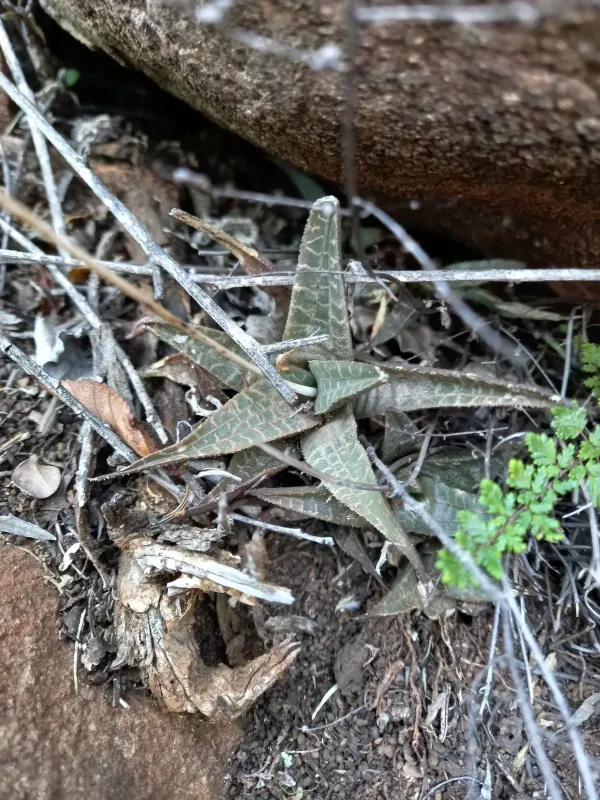
Description
Growing requirements
Haworthiopsis tessellata is a perennial succulent belonging to the Asphodelaceae family. Native to the arid regions of Southern Africa, it is perfectly adapted to desert environments and rocky terrain.
The plant grows in a compact rosette form, characterized by firm, triangular leaves. The upper surface of the leaves features a distinct grid-like pattern, which serves to diffuse intense sunlight and protect internal tissues.
For optimal growth, the plant requires a highly porous, well-draining soil mix. A combination of coarse sand, pumice, and grit is recommended to prevent moisture retention and promote root aeration.
Light requirements are focused on bright, indirect sun. Direct noon sun can bleach the leaves or cause physiological damage, so placing the plant near east-facing windows is often ideal.
The temperature range should stay between 20°C and 25°C during the growing season. During winter dormancy, cooler temperatures around 12°C to 15°C are beneficial, provided the plant is kept dry.
Main diseases and pests
Mealybugs are the most common pests found on Haworthiopsis. These insects reside in the crevices between leaves and extract sap, leading to weakened growth and stunted development.
Root rot represents the primary disease threat, almost exclusively caused by overwatering or poor drainage. Excess moisture creates an environment where soil pathogens thrive, leading to necrosis of the root system.
Regular monitoring of the leaf base is essential for early detection of pests. If signs of infestation appear, isolation of the plant and treatment with specific systemic insecticides are necessary.
To avoid fungal issues, ensure the growing medium is completely dry before applying the next irrigation. In the winter months, watering should be reduced to only what is necessary to keep the plant alive.
In terms of хозяйственное использование, this species is widely cultivated in the nursery trade as an ornamental houseplant, valued for its unique geometry and low maintenance requirements in indoor settings.