
Haworthiopsis glauca
Haworthiopsis glauca
Description
Growing requirements
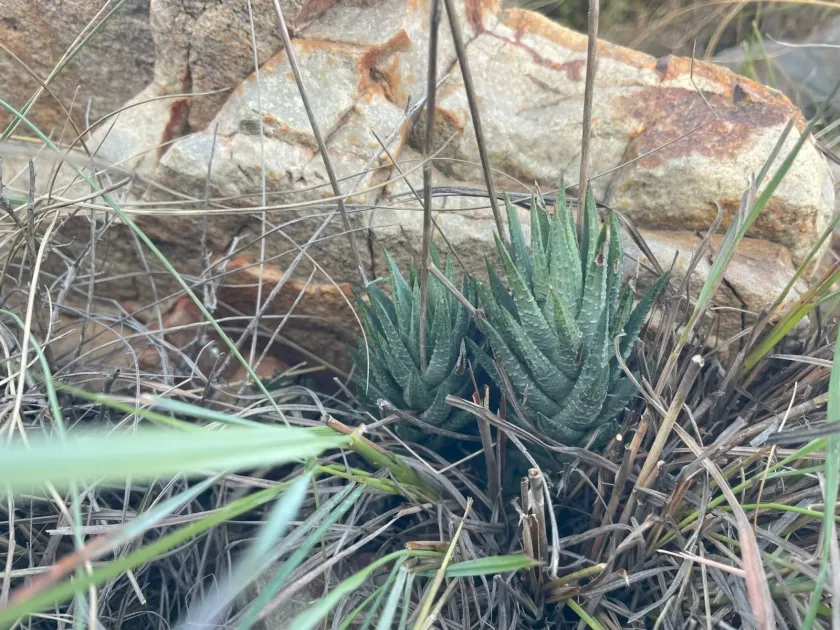
Haworthiopsis glauca is a distinctive succulent species belonging to the Asphodelaceae family, native to the arid landscapes of South Africa. It is characterized by its glaucous, columnar leaf arrangement and slow growth rate, making it a highly valued specimen for collectors.
In terms of light requirements, this plant thrives in bright, indirect sunlight. While it can tolerate some direct morning sun, intense midday exposure should be filtered to prevent the leaves from turning brown or developing scorched areas, which degrade the plant's aesthetic value.
The substrate must be extremely well-draining, mimicking the rocky and sandy soils of its natural habitat. A professional cultivation mix usually includes gritty elements such as perlite, pumice, or coarse sand, combined with a minimal amount of organic potting soil.
Climate control is essential for the long-term health of the plant. During the active growing season, it prefers temperatures between 20°C and 25°C. In the winter, it enters a dormant phase and benefits from cooler conditions, ranging from 10°C to 12°C, to ensure a healthy rest.
Watering practices must be disciplined: the "soak and dry" method is mandatory. The medium must be completely dry throughout before the next irrigation. Overwatering is the most common cause of failure in agricultural and hobbyist settings for this genus.
Main diseases and pests
The most significant threat to Haworthiopsis glauca is root rot, induced by waterlogged conditions. If the soil remains saturated for extended periods, the root tissues will quickly decompose, leading to the irreversible death of the plant's structural integrity.
Mealybugs are the primary pest concern for this species. These insects tend to cluster in the tight crevices between the leaves where they are difficult to spot until a significant infestation occurs, requiring the use of systemic insecticides or manual removal.
Spider mites can occur in environments with poor air circulation and extremely low humidity. While they primarily affect leaf surfaces, their presence can be identified by fine webbing and stippled patterns, necessitating a prompt increase in ventilation and targeted treatment.
Scale insects may attach themselves to the leaf surface, appearing as small, hard, brown bumps. These pests drain the plant's sap and can cause yellowing and stunted growth, so they should be managed by wiping the leaves with rubbing alcohol or using neem oil.
Fungal leaf spot diseases may appear if there is high humidity combined with stagnant air or water droplets remaining on the leaves for too long. Improving air movement around the plant and keeping the leaves dry during irrigation are key preventative measures against these pathogens.