
Haworthiopsis reinwardtii
Haworthiopsis reinwardtii
Description
Growing requirements
Haworthiopsis reinwardtii is a distinctive succulent species belonging to the Asphodelaceae family. It is native to the Eastern Cape province of South Africa, where it thrives in rocky, arid environments with high drainage.
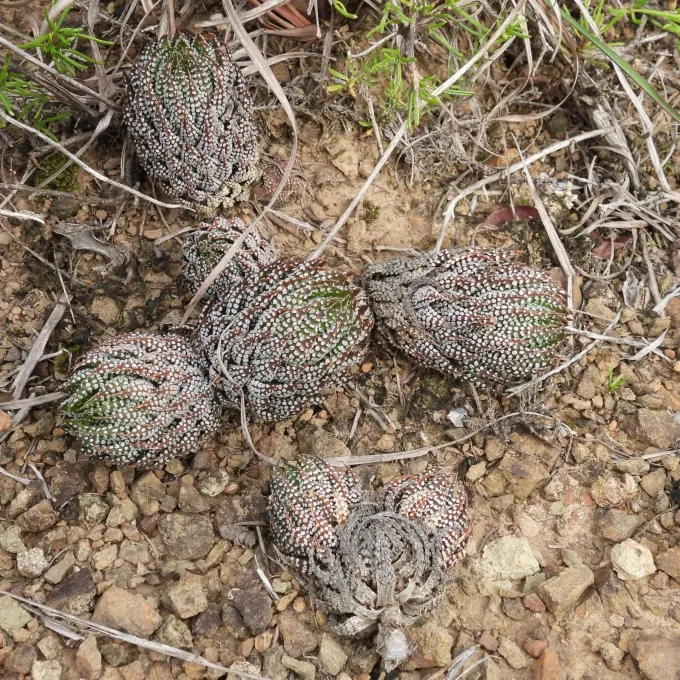
The plant is characterized by its elongated, columnar stems and thick, succulent leaves arranged in rosettes. A unique feature of this species is the presence of white tubercles on the leaf surfaces, often arranged in distinct transverse bands.
To cultivate this plant successfully, it requires bright, indirect light. While it can handle some morning sun, harsh afternoon exposure should be avoided to prevent foliar scorching and tissue dehydration.
The soil medium must be highly porous. A mixture consisting of cactus potting soil combined with pumice or coarse grit is ideal. Proper drainage is the most critical factor in preventing physiological stress in the root zone.
Temperature management involves maintaining an environment between 20°C and 25°C during the growing season. A cooler, drier dormancy period during winter is essential to mimic its natural habitat and promote vitality.
Main diseases and pests
The most common pests affecting Haworthiopsis reinwardtii are mealybugs. These small insects nest in the leaf axils, draining sap and weakening the plant structure over time.
Root rot is the most prevalent pathological threat, usually occurring due to excessive moisture. Once the roots begin to decay, the base of the plant often turns soft and discolored, requiring immediate intervention.
Pest management includes physical removal or the application of specialized systemic insecticides. Ensuring that the foliage remains dry during irrigation significantly reduces the risk of fungal infestations.
To prevent disease, it is advised to use only sterilized tools when pruning or repotting. If rot is detected, cutting back to healthy tissue and allowing the plant to callus before repotting is mandatory.
Proper environmental management—specifically ensuring adequate airflow and precise watering intervals—serves as the primary defense against the major biological threats to this species.