
Haworthiopsis koelmaniorum
Haworthiopsis koelmaniorum
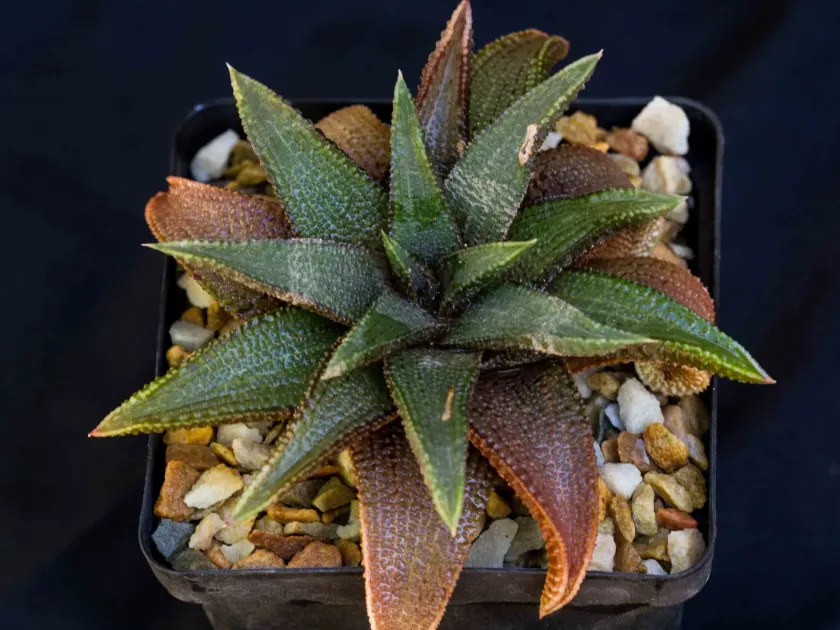
Description
Growing requirements
Haworthiopsis koelmaniorum is a slow-growing perennial succulent belonging to the Asphodelaceae family. It is native to the Mpumalanga province in South Africa, where it grows in arid, rocky habitats, adapting to harsh environmental conditions.
The plant requires a highly porous and gritty soil mix to ensure rapid drainage. A combination of coarse sand, pumice, and a minimal amount of organic potting soil is recommended to mimic its natural environment and prevent root rot.
Light requirements are significant; the plant thrives in bright, indirect sunlight. Direct afternoon sun can scorch the thick, textured leaves, so providing diffused light or filtered sunshine is crucial for maintaining the plant's health and coloration.
Temperature management involves keeping the plant in a comfortable range of 20°C to 28°C during the active growing season. During the winter dormancy period, temperatures should be lowered to 10°C to 12°C to simulate natural seasonal changes.
Watering practices should be strictly controlled, allowing the substrate to dry out completely between waterings. Overwatering is the most common cause of failure in cultivating this species, particularly during colder months when metabolic processes slow down.
Main diseases and pests
The primary threat to Haworthiopsis koelmaniorum is fungal infection caused by stagnant moisture, which leads to stem and root rot. Ensuring good airflow around the plant is vital to prevent these issues.
Mealybugs are a frequent pest that can infest the crevices between leaves. Due to their ability to hide, early detection through regular inspection of the leaf axils is essential for successful management.
Spider mites may occasionally occur, especially in dry, indoor environments with poor ventilation. These pests can cause significant damage to the epidermis of the leaves if left untreated.
Chemical control involving systemic insecticides is effective against sucking pests, but it must be applied with caution, ensuring the plant is not under stress at the time of treatment.
Maintaining a clean and hygienic growing environment significantly reduces the risk of pest outbreaks and disease, ensuring the long-term vitality of the succulent collection.