
Haworthiopsis venosa
Haworthiopsis venosa
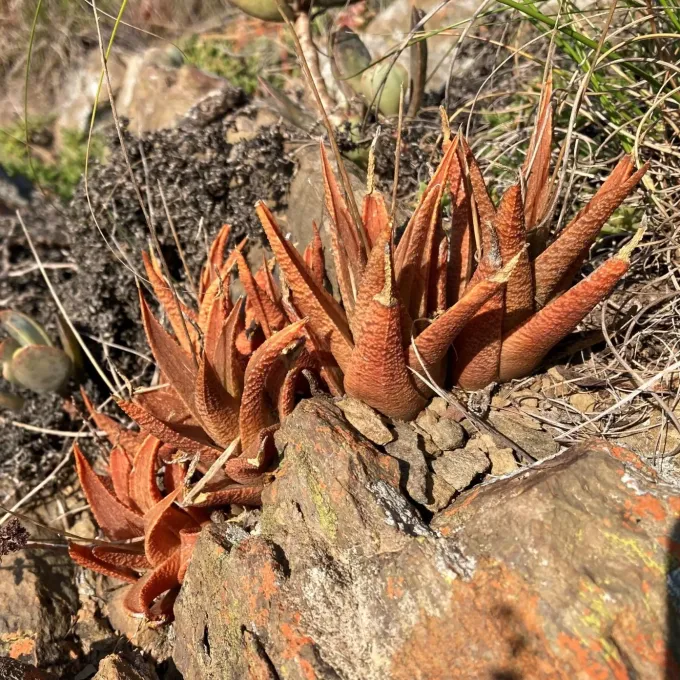
Description
Growing requirements
Haworthiopsis venosa is a distinctive succulent belonging to the Asphodelaceae family. Originating from the arid regions of South Africa, this species has evolved unique morphological adaptations to thrive in harsh, water-scarce environments.
The plant features compact rosettes of rigid, succulent leaves characterized by intricate venation and textured patterns on the surface. These morphological traits make it a prized specimen for collectors and enthusiasts of xerophytic flora worldwide.
Optimal growth is achieved under bright, indirect light conditions. While the species is highly adapted to sunlight, direct exposure during peak summer hours can cause leaf scorch, necessitating a sheltered position or shaded glasshouse environment.
A well-draining, mineral-rich substrate is essential for success. Cultivators should utilize a mixture comprising coarse sand, grit, perlite, and a small portion of organic loam to ensure adequate aeration and prevent the accumulation of excess moisture.
The irrigation strategy should mimic the natural cycle of the habitat. During the active growing season, water sparingly, allowing the substrate to dehydrate completely. During the winter dormancy, water should be withheld almost entirely to maintain health.
Main diseases and pests
The primary agricultural threat to Haworthiopsis venosa is root rot, triggered by overwatering or poor drainage systems. Maintaining a precise irrigation schedule is the most effective preventative measure against these fungal pathogens.
Pest management focuses on identifying and treating mealybugs and spider mites. These pests thrive in dry environments and can colonize the tight leaf axils of the rosettes; regular inspections and timely application of specialized pesticides are recommended.