
Haworthiopsis scabra
Haworthiopsis scabra
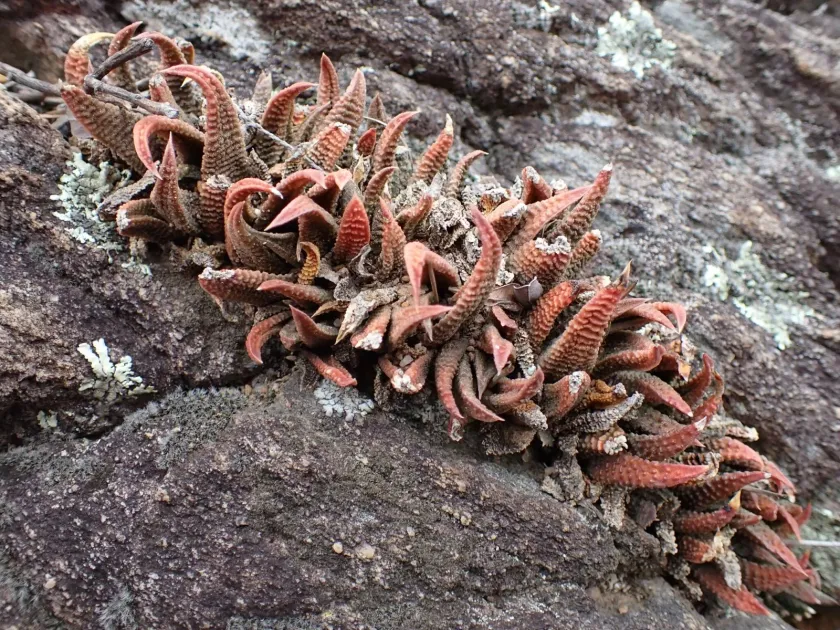
Description
Sowing dates
Propagation of Haworthiopsis scabra in a controlled environment is achieved through seeds or vegetative separation of offsets. Sowing should ideally occur in the spring, providing a temperature range of 22–25 degrees Celsius for germination.
Seeds require a well-draining, sterile mineral-based substrate to prevent fungal infections. It is critical to maintain consistent moisture levels without saturating the medium, as seedlings are susceptible to root rot.
Vegetative propagation using offsets is the preferred method for commercial growers to maintain genetic consistency. Offsets are carefully removed and allowed to callus for several days before being planted into fresh soil.
Young plants develop at a slow pace, necessitating patient monitoring and gradual acclimation. Once established, the seedlings exhibit the same tough, resilient characteristics as the parent plant.
Proper sanitation of tools and pots during the propagation process is essential for preventing the spread of soil-borne pathogens. The focus should be on creating a stable, airy microclimate for successful seedling establishment.
Growing requirements
Haworthiopsis scabra belongs to the Asphodelaceae family and is native to arid regions of South Africa. The plant is adapted to rocky, well-draining soils and high-light environments, which dictate its cultivation requirements.
The substrate must be highly inorganic, consisting of gravel, coarse sand, and minimal organic content to ensure optimal aeration. Poor drainage remains the most significant risk factor for the health of this species.
The culture thrives in bright, diffused light. Direct exposure to intense midday sun, particularly in glasshouse conditions, should be mitigated using shading materials to prevent leaf surface damage.
Watering must be regulated strictly by the drying cycle of the substrate. During the winter dormancy phase, the water supply should be significantly reduced to mimic the natural dry season of its native habitat.
Air circulation is vital for this succulent. Stagnant, humid conditions can promote bacterial growth and reduce the aesthetic quality of the leaves, making consistent ventilation a key component of agronomic care.
Main diseases and pests
Root rot is the primary threat to the health of Haworthiopsis scabra, typically triggered by improper irrigation practices or poor soil structure. If damage is detected, immediate re-potting into a dry, fresh medium is necessary.
Mealybugs are the most common insect pests associated with this plant, often found in the tight leaf axils. Regular inspection is required to detect early infestations before they spread across the collection.
Spider mites may occur in low-humidity environments, leading to discolored and stunted leaves. Integrating systematic acaricide applications or maintaining balanced humidity levels can control these populations.
Mechanical damage to the leaves can create pathways for opportunistic bacterial infections. Avoiding overhead irrigation and maintaining plant spacing helps to keep the foliage clean and healthy.
Integrated pest management strategies should be implemented to ensure long-term plant viability. Selective use of systemic insecticides and fungicides, applied according to crop safety guidelines, is recommended for professional cultivation.