
Haworthia variegata
Haworthia variegata
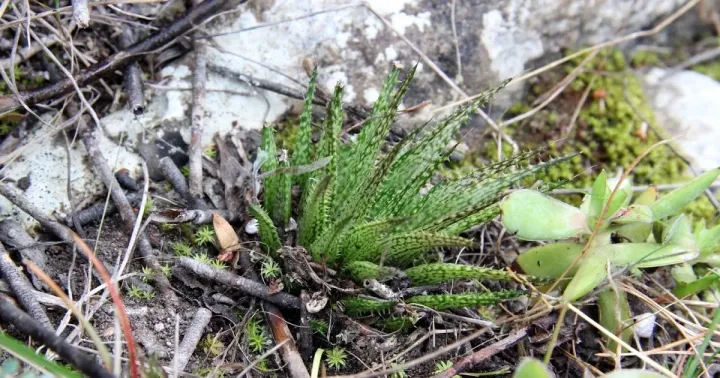
Description
Growing requirements
Haworthia variegata is a succulent species belonging to the Asphodelaceae family, native to the arid regions of the Western Cape in South Africa. This plant is highly valued for its compact, architectural form and its ability to thrive in challenging, resource-scarce environments.
Botanically, it is characterized by succulent, fleshy leaves arranged in rosettes, often featuring distinct variegation or spotting patterns. These plants have a slow growth habit, which makes them ideal for specialized container gardening and xeriscaping.
Cultivation requirements include a porous, gritty substrate that ensures excellent drainage. A mixture composed of coarse sand, perlite, and a small proportion of organic soil is recommended to mimic the plant's natural rocky habitat and prevent root asphyxiation.
The species prefers bright, indirect sunlight to maintain its structural integrity and color. High temperatures are well-tolerated if accompanied by proper ventilation, while winters require cooler temperatures and restricted watering to initiate a natural dormancy period.
Watering strategy should be cautious, emphasizing the "soak and dry" method. It is crucial to prevent water from accumulating in the center of the leaf rosette, as this can trigger rot and destroy the specimen in a short time.
Main diseases and pests
The most significant threat to Haworthia variegata is root rot caused by stagnant water or poorly draining substrate. Overwatering creates an anaerobic environment that promotes the growth of various fungi and oomycetes, leading to tissue decay.
Mealybugs are the primary pest concern, often lodging deep between the tightly packed leaves. Their feeding activities weaken the plant and can serve as an entry point for secondary bacterial and fungal infections.
Spider mites can also become a problem in environments with consistently low humidity and lack of air circulation. These pests produce fine webbing and cause localized chlorosis on the leaves, significantly reducing the plant's aesthetic value.
Effective management includes regular inspection of the plants, particularly the leaf axils, to detect early signs of infestation. Using systemic insecticides or organic soaps is recommended as part of an integrated pest management program.
Maintaining proper hygiene by removing dead leaves and ensuring that the soil surface remains dry helps significantly reduce the incidence of disease. In cases of severe infection, repotting into fresh, sterile soil is often necessary to save the plant.