
Haworthia decipiens
Haworthia decipiens
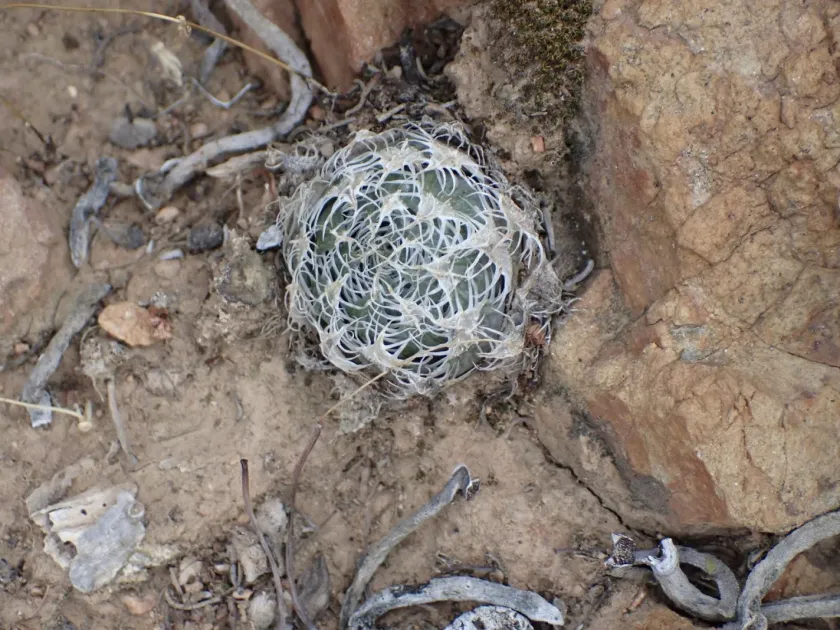
Description
Growing requirements
Haworthia decipiens is a perennial succulent species belonging to the Asphodelaceae family. It is native to the arid regions of South Africa, where it has evolved to thrive in rocky soils and semi-shaded environments among native vegetation.
Successful cultivation requires high levels of bright, indirect sunlight. While the plant can tolerate some morning sun, intense midday light exposure must be mitigated by shading to prevent leaf scorching and chlorophyll breakdown.
The substrate must be highly porous with excellent drainage capabilities. A mixture containing coarse sand, perlite, and fine gravel is recommended to mimic the natural rocky habitats and ensure that roots are not exposed to prolonged moisture.
Temperature management is critical for the healthy development of the species. During the active growth phase, it prefers temperatures between 20°C and 25°C. A cooler dormant period with temperatures around 10°C is essential for seasonal regulation.
Watering frequency should be strictly regulated based on the drying cycle of the soil. The soil should be completely dry before the next irrigation is applied, as Haworthia decipiens is extremely susceptible to root rot in waterlogged conditions.
Main diseases and pests
The most significant pathological threat to the crop is root rot caused by fungal pathogens in the soil. This is primarily a result of excessive moisture retention and inadequate aeration of the growing medium.
Pest pressure from mealybugs represents a common problem for this species. These insects nest deep within the tight leaf rosettes, making them difficult to eradicate without systemic treatments or manual intervention.
Spider mites are another common threat, particularly in environments with poor air circulation and low humidity. Regular inspection of the undersides of leaves and leaf axils is necessary for early detection and mitigation.
Control strategies involve the use of specialized insecticides and strict hygiene practices. Infected plants must be isolated immediately to prevent the spread of pests to the rest of the collection.
Effective prevention of diseases requires proper spacing of plants and adequate ventilation to maintain dry leaf surfaces and minimize the risk of bacterial and fungal colonization during the cooler, humid months.