
Haworthia herbacea
Haworthia herbacea
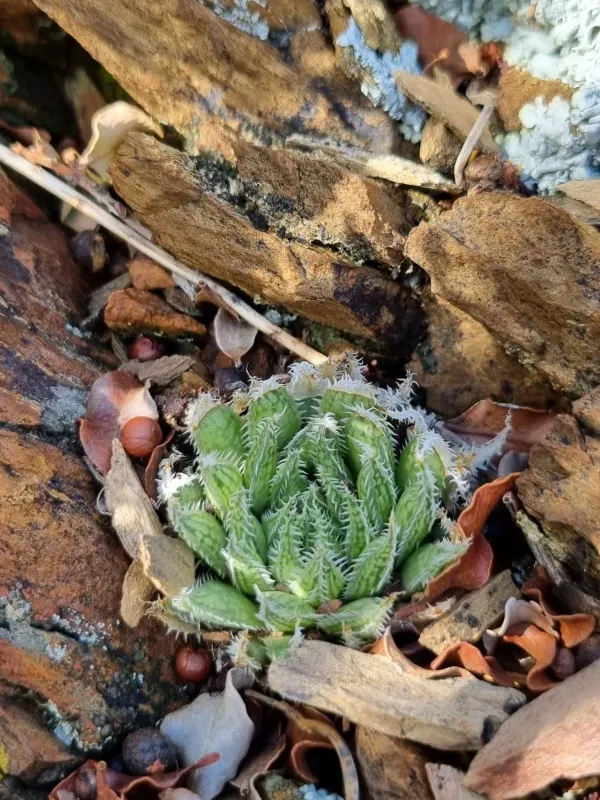
Description
Growing requirements
Haworthia herbacea is a perennial succulent plant belonging to the Asphodelaceae family. It is native to the arid and rocky landscapes of the Cape Province in South Africa.
Botanically, the plant is characterized by a compact rosette of succulent, fleshy leaves. The leaves are typically adorned with small marginal teeth and often feature translucent windows that help the plant survive in high-light, arid environments.
To cultivate this plant successfully, it requires bright, indirect sunlight. Intense direct sun can cause the leaves to turn reddish or brown, while insufficient light leads to etiolation and loss of the characteristic rosette shape.
The ideal growing medium should be highly porous and inorganic. A standard mixture includes coarse sand, pumice, and a small amount of potting soil, ensuring rapid drainage to prevent water stagnation.
Regarding climate, the plant thrives in temperatures between 20°C and 25°C during the growing season. It is essential to provide good air circulation to mimic its natural, wind-swept habitat.
Main diseases and pests
The most common threat to Haworthia herbacea is root rot caused by overwatering. Because the plant stores water in its leaves, it is highly susceptible to fungal infections if the roots remain wet for extended periods.
Pests such as mealybugs are frequent visitors, often settling in the tight spaces between the succulent leaves where they are difficult to remove manually.
Spider mites can also be problematic, especially in environments with poor humidity and high temperatures, leading to stunted growth and damaged leaf tissue.
To control these threats, growers should use systemic insecticides when necessary and keep the plant clean. Proper hygiene involves removing dead leaves from the base of the rosette to prevent mold growth.
Routine inspection of the plant's root health is recommended during repotting to ensure no pests or rot are affecting the underground parts of the specimen.