
Haworthia arachnoidea
Haworthia arachnoidea
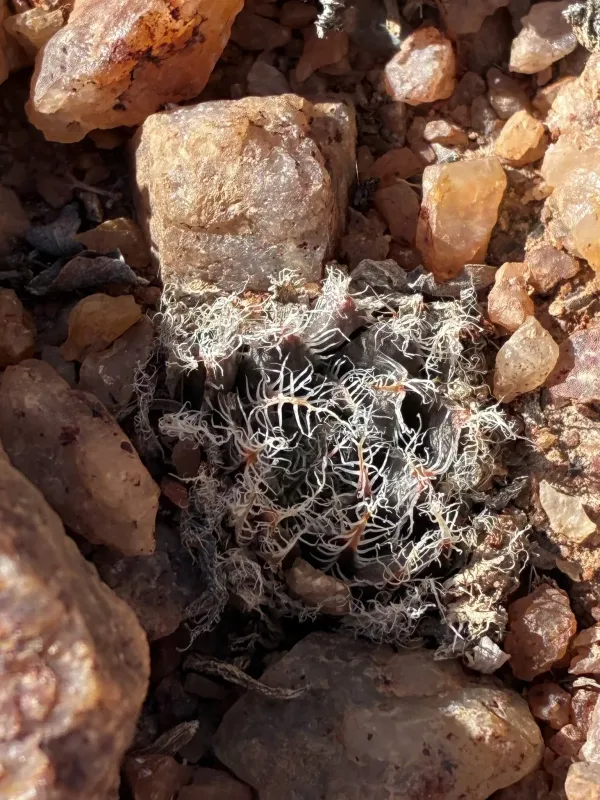
Description
Growing requirements
Haworthia arachnoidea is a perennial succulent plant belonging to the Asphodelaceae family. It is distinguished by its intricate rosette structure and the presence of long, translucent spines that create a unique spiderweb-like appearance on its fleshy leaves.
The plant originates from the arid regions of South Africa, specifically within the Cape provinces. In its native habitat, it grows in rocky crevices, demonstrating a high level of adaptation to nutrient-poor, well-draining mineral soils and intense sunlight.
For successful cultivation, Haworthia arachnoidea requires bright, filtered light. While it tolerates morning sun, afternoon exposure in hot climates can cause leaf scorching, which damages the delicate epidermal tissues of the plant.
The substrate must prioritize drainage above all else. A standard mix should include pumice, coarse perlite, and a small percentage of organic matter to mimic the rocky conditions the species prefers in nature.
Watering practices should follow the soak-and-dry method. During the active growing season, allow the soil to dry out completely between waterings to prevent root asphyxiation and subsequent rot of the succulent leaves.
Main diseases and pests
Root rot is the most significant threat to Haworthia arachnoidea, typically caused by waterlogged conditions that encourage the growth of pathogenic fungi in the root zone.
Mealybugs are the primary insect pest, often clustering in the tight spaces between leaves where they are shielded from direct contact insecticides, necessitating systemic control methods.
Over-fertilization can weaken the plant's natural resistance, making it more susceptible to opportunistic infections and pests that thrive on succulent plant tissues.
Low light levels combined with humidity can lead to etiolation and fungal infections, which are evidenced by soft, discolored patches on the base of the rosette.
Monitoring for signs of stress, such as leaf shriveling (indicative of root damage or lack of water) or yellowing, is essential for maintaining the health and longevity of the culture.