
Haworthia bolusii
Haworthia bolusii
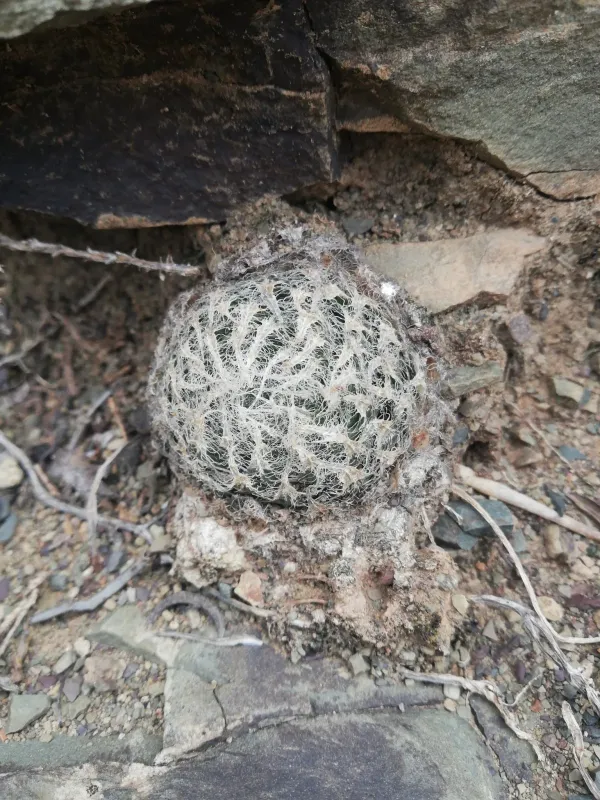
Description
Growing requirements
Haworthia bolusii is a perennial succulent species belonging to the Asphodelaceae family. It is native to the arid regions of South Africa, where it thrives in rocky, well-drained soils, often finding shelter beneath shrubs or larger rocks.
Botanically, this species is characterized by small, compact rosettes with fleshy, succulent leaves adorned with distinct translucent marginal bristles or "teeth". This specialized structure helps the plant manage moisture efficiently.
For successful cultivation, a highly permeable substrate is essential. Growers should use a mix of coarse sand, perlite, and a small portion of organic matter to mimic its natural environment and prevent waterlogging around the roots.
Environmental requirements include bright, filtered sunlight. While Haworthia bolusii needs light to maintain its compact form and vibrant color, direct sun exposure during the peak heat of the day can cause leaf scorch.
Agrotechnical management requires a strict "soak and dry" watering method. During the active growing season, water thoroughly only when the substrate is completely dry, and significantly reduce watering during the winter dormant phase.
Main diseases and pests
Root rot is the most common threat to Haworthia bolusii, typically caused by overwatering or soil that lacks adequate aeration. Once the root system begins to rot, the damage can quickly spread to the leaves.
Mealybugs are the primary pests that affect this species. These insects gather in the crevices between leaves and at the base of the rosette, where they extract plant sap, leaving behind a white, cottony residue.
Spider mites can also become a problem, particularly in environments with very low humidity. Their feeding habits cause yellowing and spotting on the leaves, which can degrade the plant's aesthetic value.
Preventative care involves regular inspections of the plant's base and leaf axils. Providing good air circulation around the plant helps minimize the risk of fungal outbreaks and pest infestations.
To manage infections or pest outbreaks, growers should isolate the affected plants and apply appropriate systemic insecticides or fungicides according to the specific problem identified during the health inspection.