
Haworthia aristata
Haworthia aristata
Description
Growing requirements
Haworthia aristata is a perennial succulent species belonging to the Asphodelaceae family. Native to the arid regions of South Africa, this plant has adapted to survive in harsh, rocky environments with limited water supply, making it a highly resilient ornamental crop.
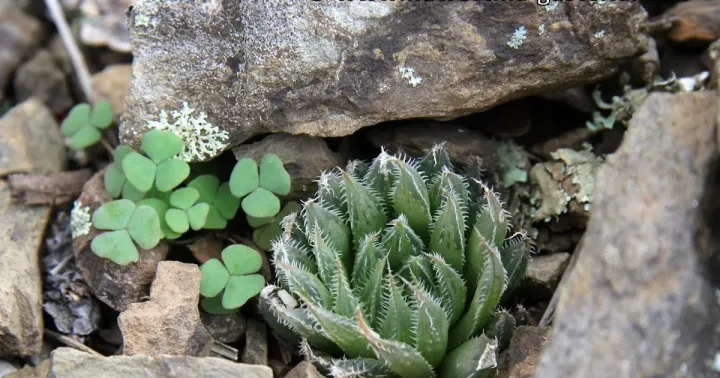
The plant is characterized by dense rosettes of succulent, lance-shaped leaves. A distinguishing feature of this species is the presence of long, bristle-like spines at the leaf tips and distinctive white tubercles on the surface, which create a highly textured appearance.
Cultivation requires a well-draining soil mixture that prevents water retention. A mix designed for cacti and succulents, supplemented with additional pumice or coarse sand, is ideal to ensure proper aeration for the root system and avoid the accumulation of excess moisture.
This succulent thrives in bright, indirect light. While it can tolerate some direct sun, prolonged exposure during peak daylight hours is detrimental and can lead to sunburn on the leaf surfaces, causing permanent discoloration and tissue damage.
Optimal growth occurs at temperatures between 20 and 25 degrees Celsius. During the dormant winter season, the plant benefits from a cooler environment, ideally ranging from 10 to 15 degrees Celsius, which supports its natural metabolic cycle and prevents etiolation.
Main diseases and pests
The most significant threat to Haworthia aristata is overwatering. Excessive moisture in the substrate leads to root rot, a condition that is often fatal if not diagnosed early, as the succulent's tissues are highly susceptible to bacterial and fungal decay under anaerobic conditions.
Mealybugs are common pests that infest the base of the leaves. These insects feed on plant sap and can cause significant growth reduction. Control measures involve localized application of systemic insecticides or mechanical removal with alcohol-soaked cotton swabs.
Spider mites can be problematic in environments with low humidity. They typically colonize the underside of the leaves or between the leaf bases, causing yellowing and fine webbing. Regular inspection and consistent humidity management are essential for prevention.
Scale insects present a challenge due to their protective coverings. Infestations are often noticed only after structural damage has occurred to the leaves. Manual removal combined with specialized contact insecticides is the most effective management strategy for these pests.
Fungal pathogens such as Fusarium can attack the root system if poor cultural practices are maintained. Proper hygiene, using sterilized pots and fresh substrate, combined with adequate airflow, serves as the best defense against these internal plant infections.