
Haworthia emelyae
Haworthia emelyae
Description
Sowing dates
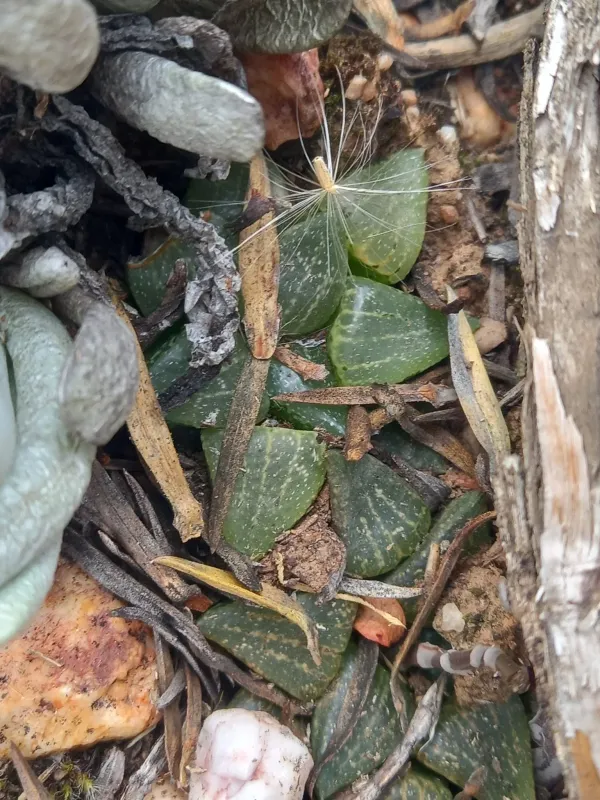
Haworthia emelyae is a small, slow-growing succulent that belongs to the Asphodelaceae family, widely recognized for its intricate, windowed leaf patterns.
Propagation is typically done through offsets (pups) or seeds. Offsets are the most common method as they preserve the genetic characteristics of the parent plant.
When propagating by offsets, ensure the pup has developed its own roots before separating it carefully from the main stem with a sharp, sterile tool.
Seed sowing is conducted in early spring. The seeds are placed on the surface of a well-draining mineral-rich substrate and kept in a warm, humid environment.
Young seedlings grow slowly and require patience. They should be transitioned to normal adult care conditions only after they reach a sufficient size to handle dryness.
Growing requirements
Native to the arid regions of South Africa, this species requires a well-draining soil mix consisting mostly of coarse sand, pumice, and grit.
The plant thrives in bright, indirect light. While it can handle some direct morning sun, harsh afternoon rays can cause significant leaf damage or scorching.
Watering must be strictly regulated. The soak-and-dry method is ideal, where you water thoroughly and allow the substrate to dry out completely before next irrigation.
Temperature management is crucial: the plant prefers warm summers but requires a cool, dry winter rest period to stimulate healthy spring growth cycles.
Proper ventilation is just as important as soil quality, as stagnant air can lead to fungal infections even if watering practices are correctly maintained.
Main diseases and pests
The most common cause of failure in Haworthia cultivation is overwatering, which leads to root rot and loss of the entire plant structure.
- Mealybugs: Often found hidden in the tight crevices between leaves.
- Root aphids: Can be difficult to detect until the plant begins to decline.
- Leaf rot: Usually caused by water trapped in the central rosette after watering.
Pest control includes manual removal with alcohol-soaked cotton swabs or using systemic insecticides applied to the soil during the active growing season.
Maintenance should always include regular inspections of the root system and drainage holes to prevent the accumulation of moisture and debris.