
Haworthia cooperi
Haworthia cooperi
Description
Growing requirements
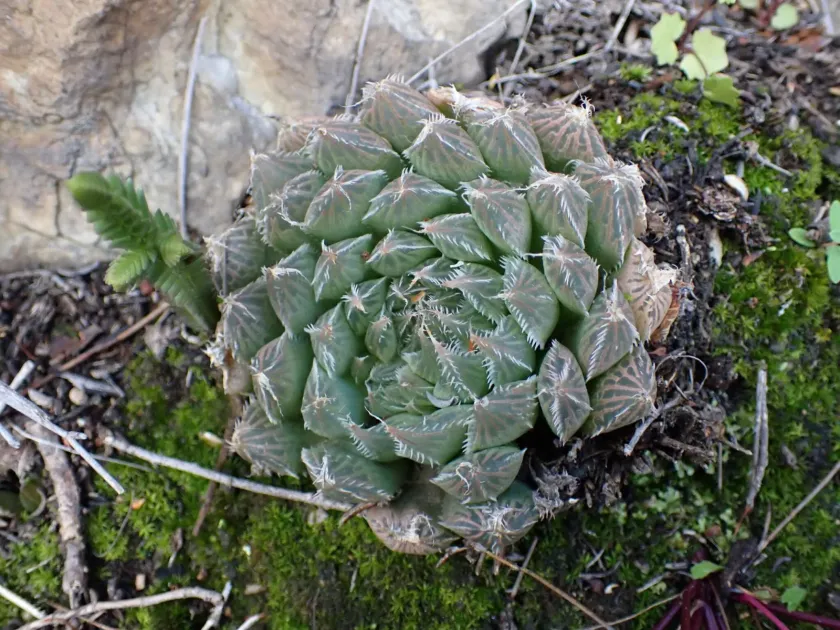
Haworthia cooperi is a perennial succulent plant belonging to the Asphodelaceae family. Native to the Eastern Cape province of South Africa, this species has evolved to thrive in specialized ecological niches, often growing in cracks between rocks or under the protection of shrubs.
The botanical highlight of this culture is its fleshy, translucent leaves that feature window-like structures at their tips. These windows facilitate light absorption in natural habitats where the plant may grow partially buried in the substrate to avoid extreme heat and grazing by herbivores.
Agricultural requirements for successful cultivation include providing bright, indirect sunlight to prevent the foliage from bleaching or scorching. The plant prefers well-aerated, inorganic soil mixtures, typically involving pumice, coarse sand, and a small portion of potting organic matter to ensure fast drainage.
Temperature management is crucial, as the plant prefers moderate conditions ranging from 18 to 26 degrees Celsius. During the winter dormancy phase, temperatures should be kept slightly lower to stimulate natural physiological cycles and prepare the plant for the spring growing season.
The primary economic use of Haworthia cooperi is in the ornamental plant industry. Its unique geometric form and "windowed" leaves make it a highly sought-after species for succulent enthusiasts and greenhouse growers worldwide, as it is well-adapted to container cultivation.
Main diseases and pests
The most common pests affecting Haworthia cooperi are mealybugs, which tend to hide between the tightly packed leaves. Early detection is essential, and treatments usually involve applying contact or systemic insecticides to protect the succulent tissue.
Root rot represents the most significant threat to the culture's health, typically triggered by overwatering or using a heavy, moisture-retentive substrate. Once the rot reaches the core of the leaf rosette, the plant becomes extremely difficult to save.
Effective prevention of fungal diseases relies on maintaining a rigorous drying cycle of the soil. Watering should only be performed when the substrate has completely dried out, with careful avoidance of water accumulation inside the leaf rosette itself.
Spider mites can also be problematic in environments with low humidity and poor ventilation. Keeping the plants in a well-ventilated area and occasionally checking for fine webbing ensures that infestations are caught before they cause visible damage to the plant's surface.
Regular sanitation, such as removing dead basal leaves and ensuring proper hygiene in the growing space, prevents the establishment of fungal spores. When cultivated with attention to drainage and air circulation, this species remains a hardy and resistant ornamental plant.