
Haworthia hybrids
Haworthia hybrids
Description
Growing requirements
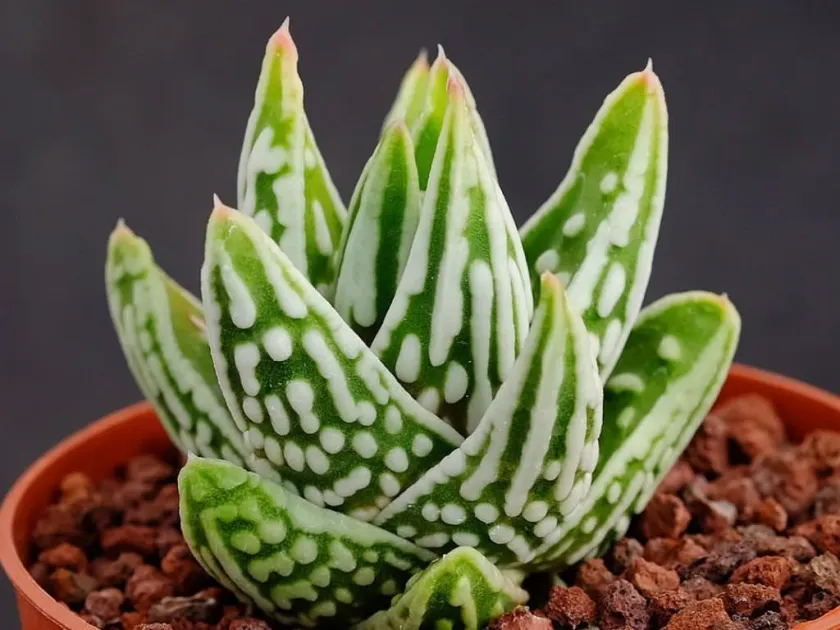
Haworthia hybrids are artificially bred succulent plants belonging to the Asphodelaceae family. These plants are the result of selective breeding of various species native to the arid environments of Southern Africa. In agricultural and horticultural practices, they are highly valued as decorative indoor crops known for their unique foliage patterns and structural appeal.
Successful cultivation requires a well-draining substrate composed primarily of inorganic materials such as pumice, perlite, and coarse sand. These plants thrive in bright, filtered sunlight, which encourages compact growth and vibrant leaf pigmentation. Maintaining an ambient temperature between 18 and 25 degrees Celsius is ideal for active development.
Agronomic management relies on a strict "soak and dry" watering cycle, ensuring the growing medium is completely dry before moisture is re-applied. During the winter dormancy period, watering frequency should be significantly reduced to avoid physiological stress. Proper aeration of the root zone is critical to prevent root suffocation and decay.
Commercial propagation is typically achieved through vegetative means, specifically by separating offsets (pups) from the parent rosette. This method ensures the preservation of distinct morphological traits characteristic of specific hybrids. Seed propagation is also possible but is primarily reserved for hybridization programs aimed at developing new cultivars.
The economic value of Haworthia hybrids lies in their demand within the ornamental nursery industry. Their slow-growing nature and high tolerance for indoor conditions make them staple items for home gardeners and professional interior landscapers alike, contributing to their widespread popularity globally.
Main diseases and pests
Fungal infections, primarily triggered by excessive moisture and poor drainage, represent the most significant threat to Haworthia hybrids. Root rot can quickly destroy the plant, often becoming apparent only after the damage is irreversible. Maintaining a dry environment is the primary defense strategy against these pathogens.
Mealybugs are the most persistent insect pests, often colonizing the tight crevices between leaves where they are protected from manual removal. Systemic insecticides are the most effective management tool for controlling these pests, as they provide lasting protection by circulating within the plant's tissues.
Spider mites can also be problematic, especially in environments with very low humidity. These pests suck sap from the leaves, leading to chlorosis and stunted growth. Regular inspection and the application of appropriate miticides are necessary to keep populations under control in a nursery setting.
Soil-borne pests like root-knot nematodes can compromise the plant's vascular system, necessitating the use of pasteurized or sterile soil mixes during repotting. Sanitation practices in the greenhouse, including the cleaning of tools and pots, are essential to prevent the spread of diseases and pests.
Cultivators must implement regular monitoring programs to detect early signs of stress, such as leaf softening or discoloration. Providing optimal airflow and avoiding overhead watering significantly reduces the incidence of both fungal and bacterial infections in high-density cultivation areas.