
Haworthia turgida
Haworthia turgida
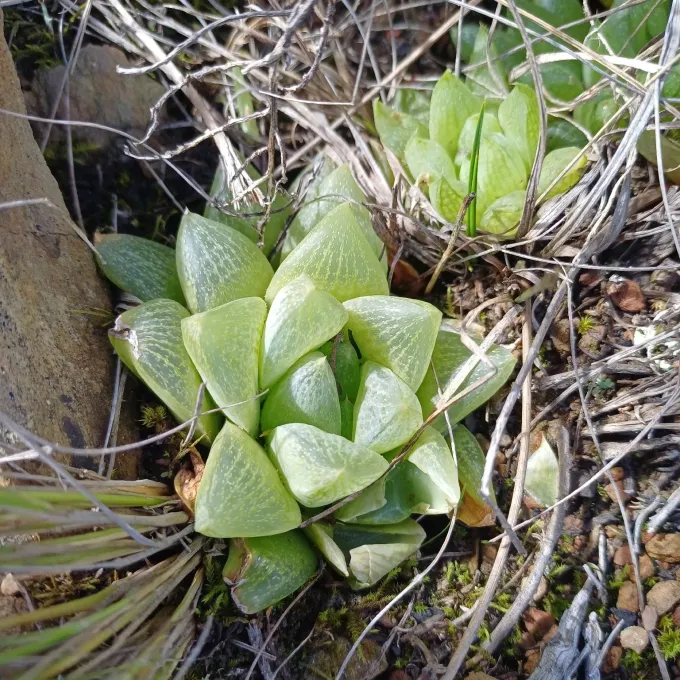
Description
Growing requirements
Haworthia turgida is a distinctive succulent species belonging to the Asphodelaceae family. Native to the Cape Province of South Africa, it naturally thrives in rocky outcrops and sheltered crevices, adapting to harsh arid environments.
The plant is characterized by its compact, stemless rosettes consisting of succulent, turgid leaves. These leaves often feature translucent patterns, which allow light to penetrate internal tissues, a unique botanical adaptation to ensure survival in shaded micro-habitats.
Agricultural success with this species requires a well-draining, mineral-rich substrate. A standard mix should include grit, pumice, and a small amount of organic matter to mimic the natural, fast-draining rocky soil where it originates.
When grown as an ornamental crop, the plant requires bright, indirect light. Excessive direct sunlight can cause the leaves to turn reddish or brown, while insufficient light leads to etiolation and a loss of the plant's characteristic compact form.
Temperature management is critical: it requires warm conditions during the growing season (spring to autumn) and cooler, drier conditions in winter. Proper ventilation is essential to avoid thermal stress and to maintain the plant's metabolic balance.
Main diseases and pests
Root rot remains the most significant threat to Haworthia turgida. It is predominantly caused by poor drainage or overwatering, leading to fungal pathogens that destroy the root system and the base of the rosette.
Common pests include mealybugs, which lodge in the tight leaf axils and are difficult to detect until an infestation is well-established. Routine inspections are necessary to identify these insects early in their lifecycle.
Spider mites can also become a problem in dry, stagnant air. Maintaining a slight level of ambient humidity and ensuring good air circulation around the plants acts as a primary defensive barrier against these pests.
For chemical control, contact and systemic insecticides are recommended when biological methods fail. Always treat with caution, as succulents can be sensitive to strong chemical concentrations on their fleshy leaves.
Integrated pest management, including regular monitoring and strict irrigation discipline, ensures that Haworthia turgida remains a healthy and vibrant addition to any succulent collection or greenhouse.