
Haworthia truncata var. maughanii
Haworthia truncata Schönland var. maughanii (Poelln.) B. Fearn
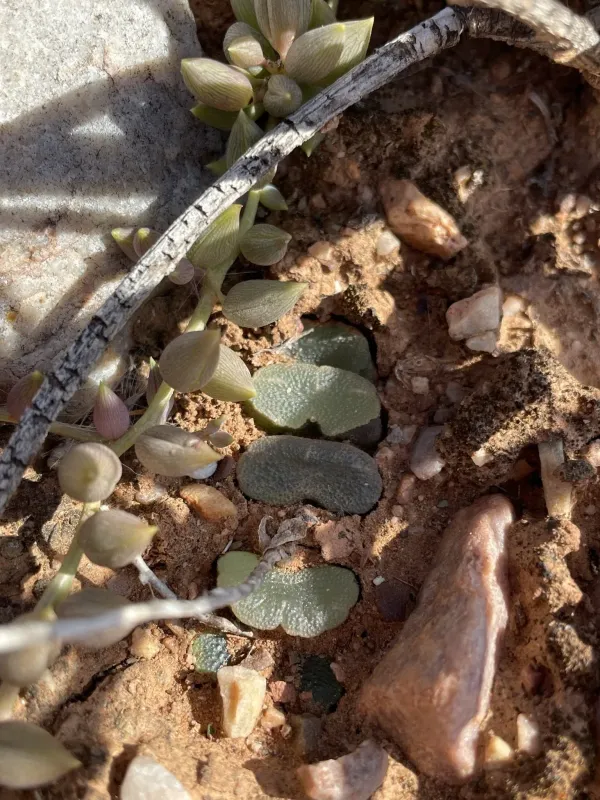
Description
Growing requirements
Haworthia truncata var. maughanii belongs to the Asphodelaceae family. It is a succulent endemic to the arid regions of South Africa, specifically known for its compact growth habit and specialized physiological adaptations to desert environments.
Botanically, this variety is characterized by spirally arranged, truncate leaves with translucent 'windows' on their surfaces. These windows facilitate light penetration into the internal tissues, an essential adaptation for a plant that grows partially submerged in stony, gravelly soil.
Successful cultivation requires a highly porous and inorganic substrate. A mix consisting of grit, pumice, and perlite with minimal organic matter is recommended to prevent root suffocation. Proper drainage is the most critical factor for long-term health.
The plant thrives in bright, indirect sunlight. While it requires light to maintain its compact shape, intense midday sun should be avoided to prevent tissue damage. Insufficient light levels will cause the plant to etiolate, losing its characteristic appearance.
Temperature management should mimic its native climate, with warm growing seasons and cooler, dry winter dormant periods. Water should be applied sparingly, allowing the substrate to dry completely between sessions to simulate natural drought cycles.
Main diseases and pests
Root rot is the primary physiological threat for this species. It is almost exclusively caused by overwatering or the use of heavy, water-retentive potting media that prevents proper aeration of the root zone.
Mealybugs represent the most significant pest risk. These insects often cluster deep within the tight leaf arrangement or at the root base, making them difficult to detect and eradicate without systemic insecticidal treatment.
Spider mites can also impact the plant during periods of low humidity and high heat. Infestation manifests as scarring or discoloration on the leaf tips, which detracts from the plant's aesthetic and vitality.
Disease management is best achieved through preventative care, including maintaining good air circulation around the plants and avoiding water accumulation in the center of the rosette during cleaning or watering processes.
Regular monitoring of the root system and foliage is advised, particularly during the transition between seasonal states, to catch any signs of infestation or fungal development before they become critical to the specimen's survival.