
Haworthia mirabilis var. badia
Haworthia mirabilis var. badia (Poelln.) M. B. Bayer
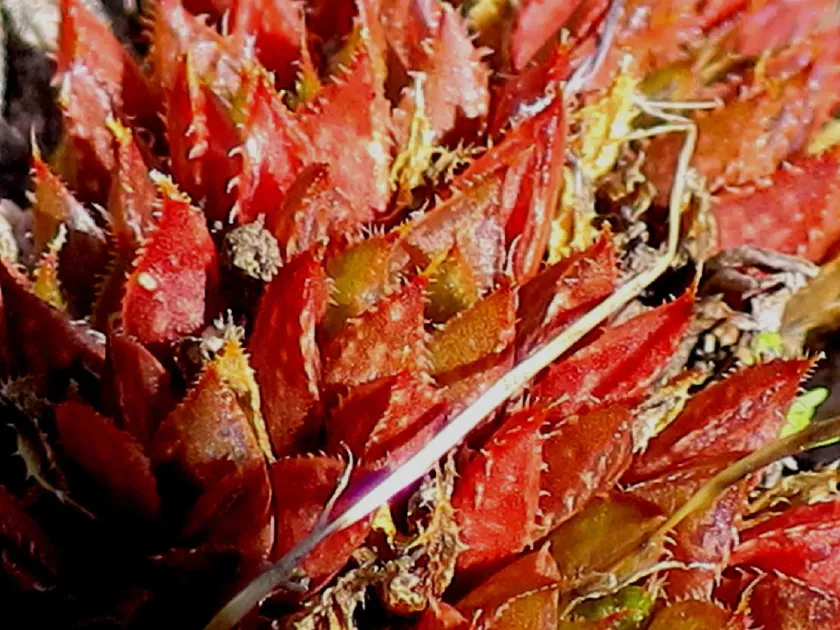
Description
Sowing dates
Propagation of this culture for ornamental purposes is most often carried out vegetatively using offshoots (pups) that form at the base of the mother plant. Seed propagation is practiced less frequently and requires strict adherence to temperature conditions within the range of 20–25°C.
Seeds should be sown in a light, sterile substrate with a high content of sand or perlite, avoiding deep burial in the soil. For successful germination, containers are covered with a transparent film to create a greenhouse effect, maintaining stable humidity levels.
The optimal time for repotting or separating offsets is the spring season, when the plant enters its active growth phase. This allows the culture to adapt more quickly to the new soil and establish its root system before the peak growing season.
When using offsets, carefully detach them with a sharp knife, allow the cut to dry for a day, and plant them in individual pots. The use of rooting hormones can significantly increase the success rate of the propagation material.
Young plants require more regular watering than mature specimens until their root system is well-established. It is crucial to ensure good ventilation to eliminate the risk of rotting the delicate root collar.
Growing requirements
Haworthia mirabilis var. badia belongs to the Asphodelaceae family and is endemic to the Cape Province of South Africa. In its natural habitat, it grows in rocky soils where sunlight is filtered by surrounding vegetation or terrain.
Successful cultivation requires a specialized succulent substrate with high permeability. The potting mix should consist of turf soil, coarse sand, fine gravel, and charcoal in equal proportions.
The plant is extremely sensitive to moisture excess, making a high-quality drainage layer at the bottom of the pot an essential agronomic requirement. Stagnant water triggers root rot, leading to the rapid decline of the plant.
Lighting should be bright but diffused, as direct sunlight can cause burns on the succulent leaves. Under low light conditions, the plant loses its compact shape and characteristic coloration, becoming etiolated.
The temperature optimum for this culture is +20...+25°C during the summer. In winter, a cool rest period at +10...+12°C is necessary, which promotes the development of flower stalks and overall plant health.
Main diseases and pests
The main threat to the plant consists of fungal diseases that develop as a result of substrate waterlogging or insufficient air circulation. Symptoms of infection include leaf softening and a change in color to brown or black.
Among pests, the mealybug is the most common threat, as it hides in the leaf axils and extracts plant juices. Upon detection, treatment with systemic insecticides is necessary to manage the infestation effectively.
Root mealybugs can also pose a danger by attacking the subterranean parts of the Haworthia. When affected by this pest, the plant slows its growth, loses turgor, and fails to respond to watering, requiring complete substrate replacement and root treatment.
Spider mites are rarer, occurring mainly in conditions of extremely dry indoor air. Indicators of their presence include fine webbing and the appearance of light spots on the leaf surfaces, which eventually merge.
Disease prevention consists of maintaining a strict "dry-wet" watering cycle and regular root system inspection. The use of fungicides is recommended only when clear signs of decay or fungal infection are identified.