
Haworthia mirabilis
Haworthia mirabilis (Haw.) Haw.
Description
Growing requirements
Haworthia mirabilis is a distinctive succulent species belonging to the Asphodelaceae family. It is endemic to the Western Cape province of South Africa, where it thrives in rocky, arid, and semi-desert environments.
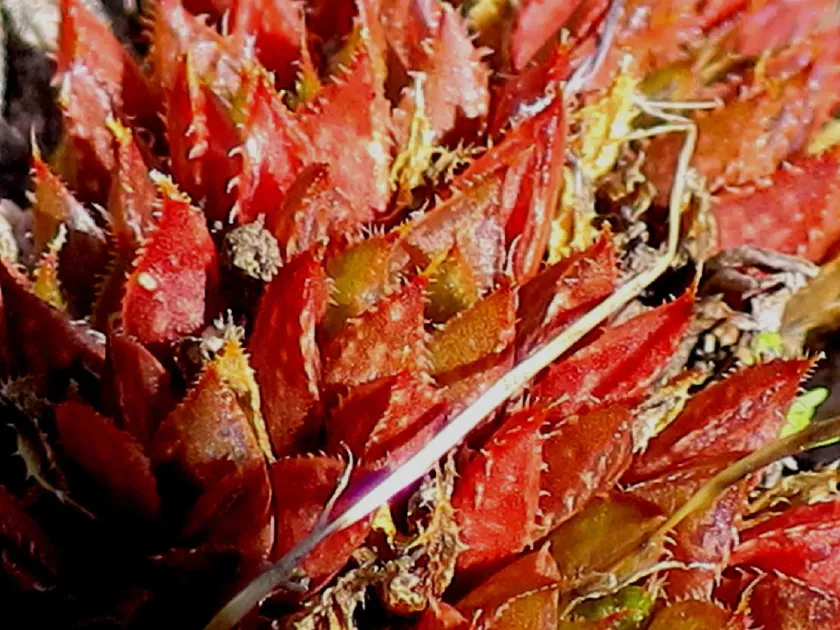
This plant is characterized by its compact rosette of fleshy, triangular leaves. A unique botanical feature of the species is the presence of translucent "windows" on the leaf surfaces, which allow sunlight to enter deeper into the leaf tissue.
The culture requires bright, indirect light to maintain its compact growth habit and natural coloration. Excessive direct sunlight in summer can lead to leaf scorching, while insufficient light causes etiolation.
Regarding soil, Haworthia mirabilis demands a highly porous, inorganic-based substrate. A mix of pumice, coarse sand, and a small amount of coco peat or potting soil is ideal for ensuring rapid drainage and preventing root rot.
The species is highly valued in the nursery industry and by succulent enthusiasts worldwide. It is primarily used for indoor decorative purposes, making it an excellent candidate for desert-style arrangements and container gardening.
Main diseases and pests
Root rot, caused by overwatering or poorly draining soil, remains the most significant threat to the survival of the plant. Once established, rot can progress rapidly, destroying the succulent's root system.
Pests commonly associated with this species include the mealybug, which settles in the tight spaces between leaves, and the spider mite, which flourishes in dry, stagnant air conditions.
Fungal infections, such as those caused by Phytophthora or Pythium, can occur when the plant is kept in conditions with high humidity and inadequate air circulation, especially during winter dormancy.
Pest management relies on integrated methods, such as manual removal using alcohol-soaked swabs for small infestations or the application of systemic pesticides for more severe outbreaks.
To ensure plant health, it is vital to adhere to a strict watering schedule, allowing the substrate to dry out completely between sessions. Proper sanitation and checking new plants before introduction are essential prevention steps.