
Haworthia magnifica
Haworthia magnifica Poelln.
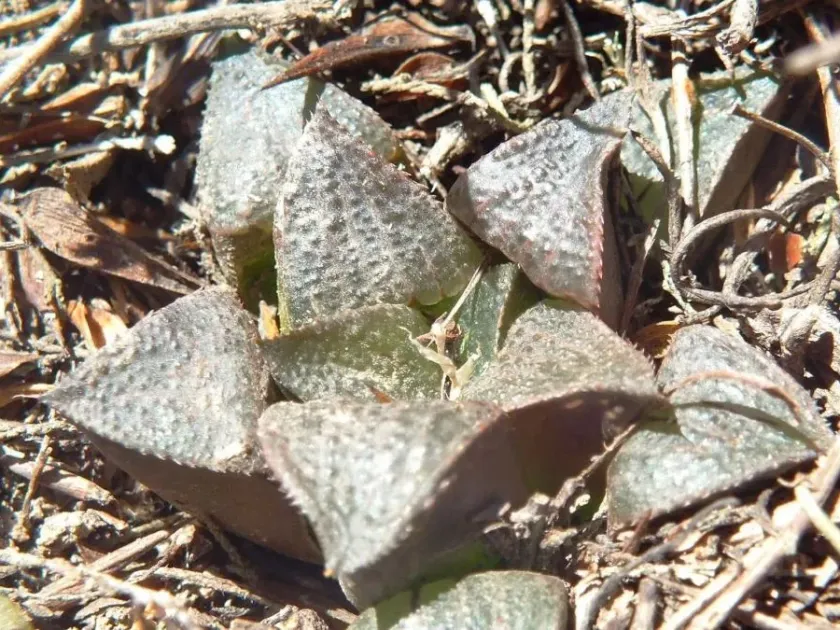
Description
Growing requirements
Haworthia magnifica is a distinct succulent species belonging to the Asphodelaceae family. Native to the Cape Province of South Africa, this plant is renowned for its compact, rosette-forming habit and unique leaf patterns, which often feature textured surfaces.
In terms of light requirements, these plants thrive in bright, indirect sunlight. While they can tolerate partial shade, insufficient light often causes the rosette to lose its characteristic shape and become etiolated, or "stretched out" in search of better light.
The substrate must be highly porous and inorganic-based. A mixture containing pumice, coarse sand, and a small portion of potting soil is ideal. This ensures fast drainage, which is crucial for preventing the succulent roots from sitting in stagnant moisture.
Temperature management is straightforward: keep the plants between 20°C and 25°C during the growing season. In winter, they prefer cooler conditions, ideally around 12–15°C, which mimics their natural environment and encourages a period of dormancy.
Watering should be done using the "soak and dry" method. Wait until the soil has completely dried out before adding water again. During winter, reduce watering frequency significantly, as the plant uses very little moisture when light levels are low.
Main diseases and pests
The most common threat to Haworthia magnifica is root rot caused by overwatering. If the roots are constantly wet, they become vulnerable to fungal pathogens, leading to the rapid decay of the plant's base and death of the rosette.
Mealybugs are frequent pests that settle in the crevices between leaves. They feed on plant sap and can weaken the specimen significantly. Early detection is key to preventing a widespread infestation that can be difficult to eradicate.
Scale insects are another potential issue, manifesting as small, hard bumps on the foliage. These can be removed manually or managed with horticultural oils that suffocate the insects without damaging the plant tissues.
Poor ventilation can lead to fungal infections on the leaves. It is essential to ensure adequate airflow around the plant, especially in high-humidity environments, to prevent mold or mildew growth on the surface of the succulent.
Regular maintenance, such as removing dead outer leaves and cleaning the rosettes from dust, improves plant vitality. Healthy plants are naturally more resistant to pests and diseases and display more vibrant colors.