
Haworthia maxima
Haworthia maxima (Haw.) Duval
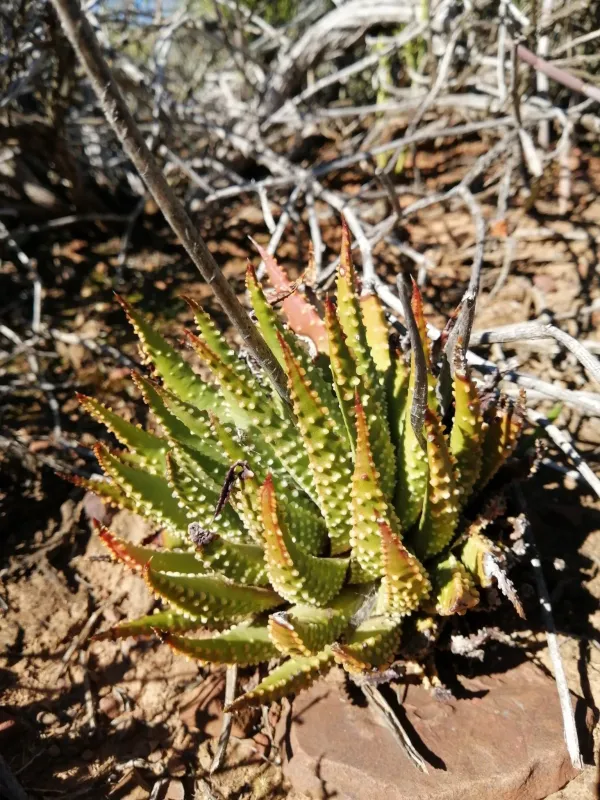
Description
Growing requirements
Haworthia maxima is a perennial succulent species belonging to the Asphodelaceae family. It originates from arid regions of South Africa, where it has evolved to thrive in rocky, well-drained environments.
The plant is characterized by a dense rosette of fleshy, dark green leaves covered in prominent tubercles. These morphological adaptations allow the plant to store significant water reserves within its cellular tissues.
For successful cultivation, the crop requires a porous, gritty substrate that ensures rapid drainage. A neutral soil pH is ideal for maintaining the nutrient uptake capacity of the root system.
The ideal temperature range for active growth is between 20 and 25 degrees Celsius. During the winter dormancy period, cooler temperatures around 12 to 15 degrees are recommended to ensure consistent health and development.
Watering management must prioritize drying periods between applications. Over-watering is the primary cause of crop failure, as it inhibits gas exchange in the root zone and promotes anaerobic conditions.
Main diseases and pests
Root rot is the most significant disease threat to Haworthia maxima, typically resulting from over-saturation of the potting mix or lack of aeration in the root environment.
Pest pressures are primarily caused by mealybugs and spider mites. These organisms hide in the tight spaces between leaves, making mechanical removal or chemical control necessary.
Cultural control includes regular inspection of the base of the rosettes and immediate removal of any plant material showing signs of chlorosis or decay.
Chemical intervention should involve systemic insecticides or acaricides if infestations are detected early. Always ensure the chemical is suitable for use on succulent plant species to avoid leaf damage.
Maintaining adequate air circulation is critical to reducing the incidence of fungal pathogens and improving the overall resilience of the plants against environmental stress.