
Haworthia cymbiformis var. obtusa
Haworthia cymbiformis (Haw.) Duval var. obtusa (Haw.) Baker
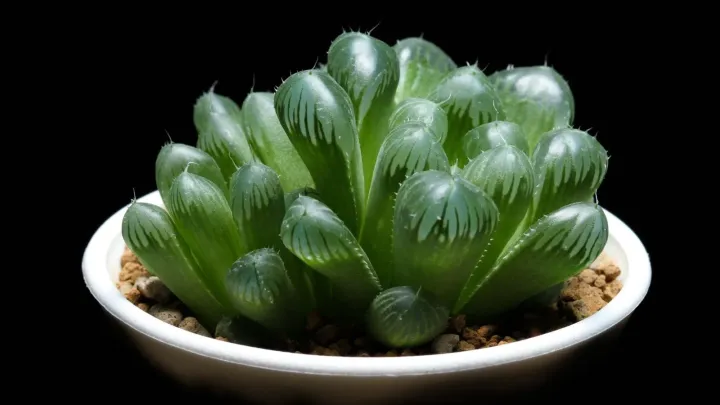
Description
Sowing dates
Haworthia cymbiformis var. obtusa is most efficiently propagated through the division of offsets, which naturally sprout around the base of the parent rosette.
The best time to perform this propagation is during the active growing season in spring or early summer to ensure rapid root development in new plants.
Seed propagation is also possible but requires specialized conditions, including a sterile, well-drained substrate and controlled greenhouse temperatures.
When propagating via cuttings or offsets, it is crucial to allow the raw surface to callous for a few days to prevent rot after placing it in the soil.
New cuttings should be kept in a bright, sheltered spot without direct sunlight until they have established a sufficient root system in the container.
Growing requirements
As a member of the Asphodelaceae family, Haworthia cymbiformis var. obtusa is native to South Africa, where it thrives in rocky, arid, and well-drained habitats.
This succulent requires bright, indirect light; overly harsh sunlight can turn the leaves a dull reddish-brown, while too little light leads to weak, elongated growth.
A porous, inorganic-heavy soil mix is essential to prevent moisture accumulation; standard cactus mixes amended with extra perlite or pumice are highly recommended.
Watering should follow the soak-and-dry method, ensuring the soil is completely dehydrated before the next watering session to preserve root health.
During the winter months, the plant enters a semi-dormant stage, requiring reduced watering and cooler temperatures to maintain its metabolic balance.
Main diseases and pests
The primary concern for this species is root rot, which is almost invariably caused by overwatering or poor drainage in the potting vessel.
Pests such as mealybugs can infest the tight spaces between the succulent leaves, making them difficult to detect until the infestation becomes significant.
Systemic insecticides or targeted applications of neem oil are effective in managing common succulent pests if caught in the early stages of development.
Fungal infections can manifest as black spots on leaves, which usually indicate poor air circulation or an overly humid environment around the plant.
Preventive maintenance involves removing dead lower leaves to improve airflow and checking the root ball periodically for signs of damage or decay.