
Haworthia cymbiformis
Haworthia cymbiformis (Haw.) Duval
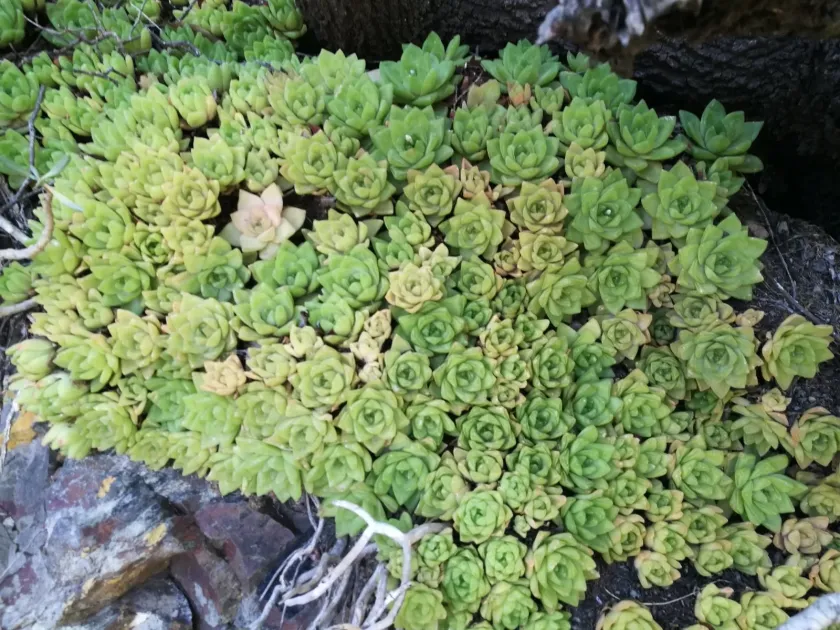
Description
Growing requirements
The substrate for this species must be exceptionally porous to allow for rapid drainage. A mix comprising one part potting soil and two parts inorganic materials—such as pumice, perlite, or coarse grit—is recommended to prevent water logging and ensure adequate root aeration.
Environmental conditions should focus on consistent, bright, filtered light. While the plant can tolerate lower light levels, doing so may lead to etiolation, where the leaves become elongated and pale, stripping the plant of its intended compact and aesthetic structure.
Temperature requirements are standard for most succulents, ranging from 15 to 25 degrees Celsius during the growing season. It is vital to protect the plant from freezing temperatures, as the high water content in the leaves makes it susceptible to tissue damage if exposed to frost.
Watering practices should follow the "soak and dry" method, where the substrate is thoroughly moistened, and then allowed to dry out completely before the next irrigation cycle. In winter, the plant enters a dormant phase and requires only minimal, infrequent watering to stay hydrated.
Fertilization is light and infrequent. A balanced, low-nitrogen liquid fertilizer, diluted to half or quarter strength, applied once or twice during the peak growing season, is sufficient. Over-fertilization encourages rapid, weak growth that is more prone to environmental stress and pest infestations.
Main diseases and pests
Root rot, driven by stagnant moisture, is the primary threat to this culture. Symptoms include yellowing of the leaves, base softening, and eventual collapse of the rosette. Prevention involves ensuring excellent pot drainage and avoiding any standing water in the leaf axils.
Mealybugs are the most common insect pests, often found nestled in the crevices between the leaves. They appear as small, white, cottony masses and feed on the plant's sap, which can significantly weaken the succulent if not treated promptly with insecticidal soap or neem oil.
Root aphids can also be problematic, residing in the soil and damaging the root tips. Their presence is often identified by a mysterious decline in plant health or the appearance of fine white powder on the surface of the growing medium, requiring a complete soil replacement and root treatment.
Sunburn is a physiological disorder that manifests as reddish or scorched brown patches on the leaf surfaces. While not an infectious disease, it permanently mars the plant's appearance, necessitating a relocation to a more shaded position to allow for recovery.
- Use terracotta pots to facilitate moisture evaporation from the soil.
- Isolate newly purchased plants to prevent the spread of hidden pests.
- Keep the crown of the plant dry after any overhead accidental moisture.