
Haworthia springbokvlakensis
Haworthia springbokvlakensis
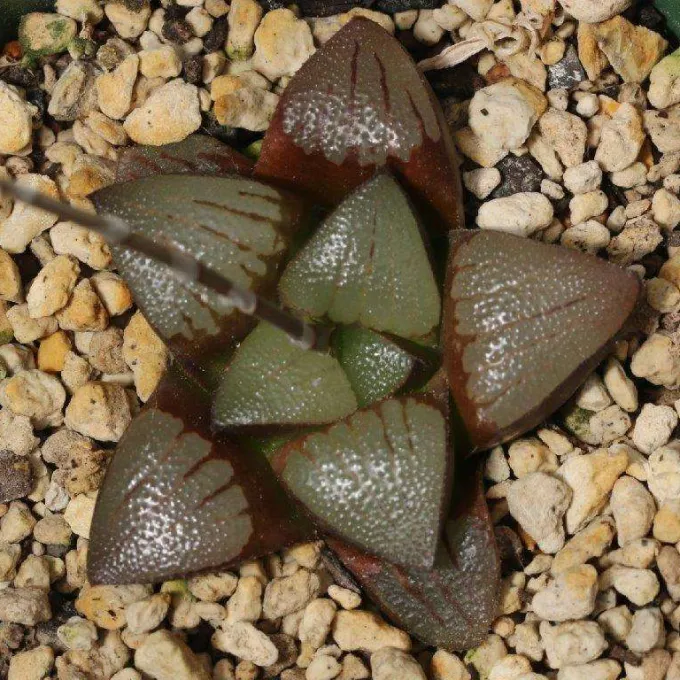
Description
Growing requirements
Haworthia springbokvlakensis is a highly sought-after succulent species belonging to the family Asphodelaceae. Native to the arid regions near Springbokvlakte in South Africa, this plant is renowned for its translucent leaf windows, which are a specialized biological adaptation to intense light environments.
Botanically, the plant is characterized by a compact, often semi-subterranean rosette of fleshy, dark-colored leaves. These leaves feature intricate patterns and textures that help the plant camouflage against the rocky substrate of its native habitat, while the translucent tips maximize photosynthetic efficiency.
The cultivation requirements focus on mimicking a xeric environment. A highly porous, inorganic-heavy soil mix—containing pumice, perlite, and coarse sand—is essential to prevent root asphyxiation. Proper drainage is the most critical factor in successful agricultural management of this species.
Climate needs include bright, indirect sunlight to prevent leaf scorching while maintaining a healthy growth rate. The plant performs best in a greenhouse or bright windowsill setting with a consistent temperature range, avoiding extreme heat waves and frost.
Agrotechnical maintenance requires an infrequent, deep-watering schedule, followed by prolonged drying periods. During the dormant season, which typically occurs in winter, the plant should be kept almost completely dry to encourage a rest cycle and prevent etiolation.
Main diseases and pests
The primary agricultural threat to Haworthia springbokvlakensis is root rot, which is almost always a consequence of poor irrigation management or stagnant moisture. Once root damage reaches the stem base, recovery becomes increasingly difficult.
Mealybugs are the most common pest found in commercial collections. These pests congregate in the axils of the leaves, feeding on plant sap. Early detection through regular inspections and the use of targeted systemic insecticides are vital for effective control.
Root aphids pose a hidden threat, attacking the subterranean part of the plant. If growth stalls unexpectedly, it is recommended to inspect the root ball for signs of infestation and replace the growing media if necessary.
Fungal infections, such as leaf spot or soft rot, can proliferate in conditions with high humidity and stagnant air. Proper ventilation is a necessary preventive measure to maintain the structural integrity and aesthetic value of the succulent.
Bacterial pathogens may enter through microscopic wounds caused by mechanical damage or poor handling. Implementing sterile potting techniques and using clean equipment during repotting processes effectively minimizes the risk of infection.