
Haworthia semiviva
Haworthia semiviva
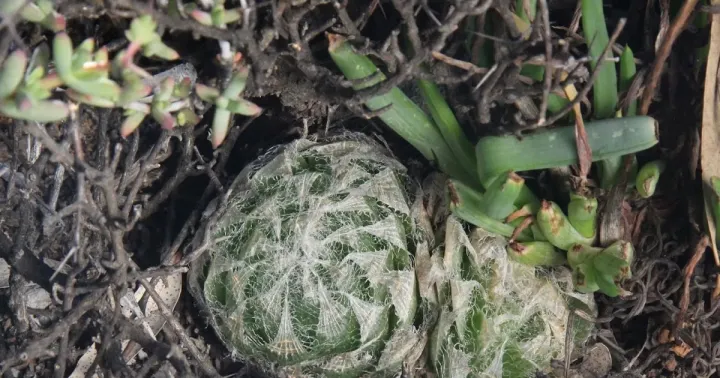
Description
Growing requirements
Haworthia semiviva is a distinct species belonging to the Asphodelaceae family, originating from arid regions of South Africa. It is a succulent characterized by its slow growth rate and high adaptability to drought conditions.
The plant requires a fast-draining substrate, which is essential to mimic its natural environment. A mix containing pumice, coarse sand, and a small amount of potting soil provides the necessary aeration and moisture regulation.
Optimal light levels for this species involve bright, filtered sunlight. Exposure to harsh afternoon sun can cause leaf desiccation or disfigurement, while insufficient light leads to etiolation and loss of the plant's structural integrity.
Temperature control is vital for successful cultivation. During the active growing season, Haworthia semiviva thrives in moderate temperatures, whereas in winter, it enters a dormant phase where temperatures should be kept slightly lower to stimulate root health.
Watering must be approached with caution. The "soak and dry" method is recommended, ensuring that the soil is completely dry before applying additional water, as the species is highly susceptible to root rot.
Main diseases and pests
The primary threats to Haworthia semiviva are fungal infections, which are almost always the result of overwatering or inadequate air circulation around the rosette base.
Pests such as mealybugs and spider mites are frequent invaders. They hide in the crevices between the fleshy leaves, sucking the plant's sap and weakening its natural resistance.
Early detection of pests is crucial. If an infestation is found, systemic insecticides or horticultural oils should be applied carefully according to the manufacturer's instructions to prevent chemical burns on the sensitive leaves.
Environmental stress, such as sudden shifts in temperature or humidity, can make the plant more vulnerable to secondary bacterial infections, leading to rapid decay of the leaf tissues.
Maintaining a clean cultivation area and removing dead, dried leaves from the base of the plant helps to reduce the habitat for potential pests and prevents the buildup of mold spores.