
Haworthia retusa
Haworthia retusa
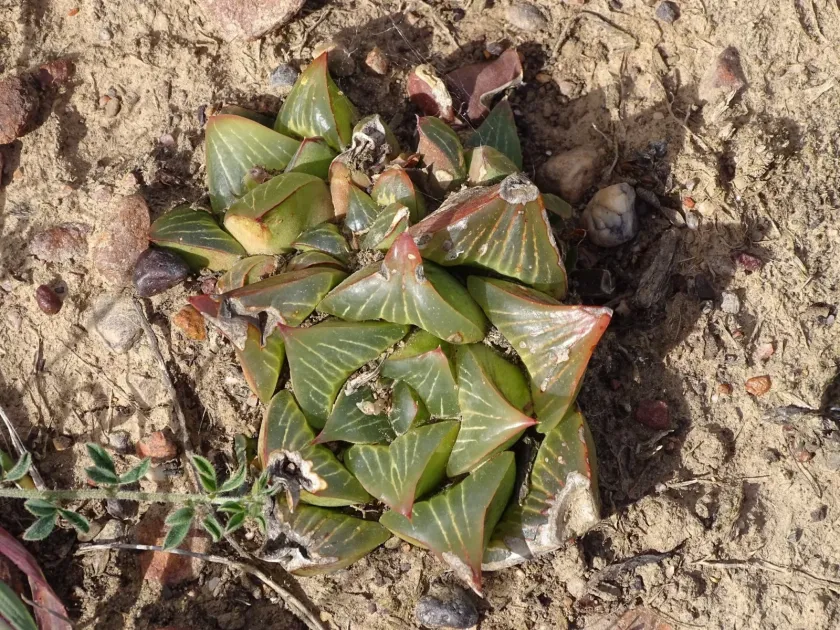
Description
Sowing dates
Propagation of Haworthia retusa is most efficiently achieved by removing offsets or "pups" that form around the base of the parent plant. This method is preferred during the active growth phase, typically in spring or early summer.
For seed propagation, use a very porous and sandy substrate. Seeds should be sown on the surface and pressed gently into the medium, ensuring they receive enough light to trigger germination.
Temperature control during the germination phase is crucial, ideally ranging between 22 and 25 degrees Celsius. Keeping the seeds in a slightly humid environment until they sprout is essential for success.
Once the seedlings have established a firm root system, they can be transplanted into small individual pots. Slow growth is characteristic of this species, so patience is required during the first year.
Leaf cuttings are another method of propagation, though less common than offset division. Ensure the leaf base is clean and dried before placing it into dry, gritty soil to prevent rot.
Growing requirements
Haworthia retusa belongs to the Asphodelaceae family and is native to the Cape region of South Africa. As a succulent, it is highly adapted to arid environments and stores moisture within its thick, fleshy leaves.
The soil must be well-draining, consisting of a mix of potting soil, coarse sand, perlite, and fine gravel. Avoiding peat-heavy mixes is vital, as these retain too much water and can lead to root death.
Bright, indirect light is the ideal condition for this plant. Too much direct sunlight can scorch the leaves, while insufficient light will cause the plant to lose its compact, rosette shape.
Watering should be performed only when the soil has completely dried out. In winter, the plant enters a dormant phase, requiring very little water, often once a month depending on the ambient temperature.
Optimal container size should be just large enough to fit the root system. Over-potting leads to excess soil staying moist for too long, which is the primary cause of decline for this ornamental plant.
Main diseases and pests
Mealybugs are the most frequent pest, congregating in the crevices between leaves. They extract sap and leave behind honeydew, which can attract further fungal issues to the succulent's surface.
Root rot is the most serious threat, typically caused by overwatering or poor soil drainage. If the leaves become mushy or discolored near the base, it is a sign that the root system is failing.
Spider mites can occur in dry, stagnant air conditions. Their presence is marked by fine webbing and subtle yellowing of the leaf tissue, requiring prompt isolation and treatment.
Scale insects present as small, hard, dark bumps on the leaves. These should be removed carefully with a cotton swab soaked in isopropyl alcohol to minimize damage to the plant's epidermis.
Maintaining good airflow around the plant is the best preventive measure against most pests and fungal infections. Regular inspections allow for early detection and mitigation of potential infestations.