
Haworthia pygmaea
Haworthia pygmaea
Description
Growing requirements
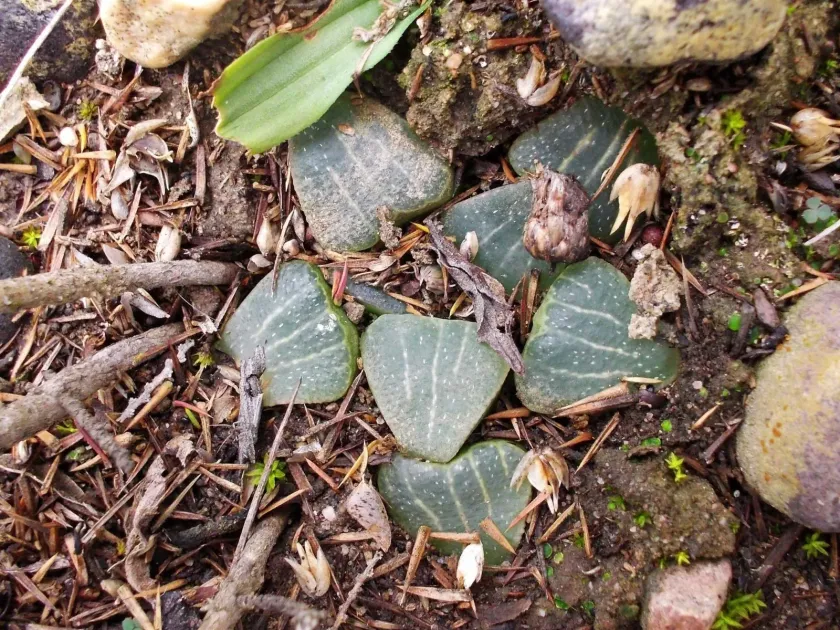
Haworthia pygmaea is a distinct succulent belonging to the Asphodelaceae family. Originating from the Cape Province in South Africa, this species is well-adapted to rocky environments and arid climates.
Botanically, it is characterized by its compact rosette growth and unique leaf texture, which often features translucent windows or tubercles that assist in light filtration in its native habitat.
To cultivate this species, a porous and gritty soil mix is essential. A combination of pumice, perlite, and coarse sand provides the necessary drainage to prevent root moisture accumulation.
The plant requires bright, filtered light to maintain its compact form and vibrant leaf patterns. Avoid exposing the plant to harsh, direct sunlight, especially during the hottest hours of the day.
The watering schedule must follow the soak-and-dry method. During the summer growing season, water thoroughly only when the soil has completely dried out; reduce watering significantly during the winter months.
Main diseases and pests
The most significant threat to Haworthia pygmaea is root rot, primarily caused by overwatering or soil mixes that hold too much moisture for extended periods.
Mealybugs are common pests that tend to hide within the tight crevices of the leaf rosettes, making early detection vital for effective control.
Spider mites may infest the plant if kept in environments with extremely low humidity and poor ventilation, causing visible damage to the leaf epidermis.
Chemical control involving systemic insecticides or targeted miticides should be employed if infestations exceed manageable levels.
Maintaining good air circulation and inspecting the plant regularly are the primary methods for ensuring a healthy and thriving specimen.