
Haworthia pubescens
Haworthia pubescens
Description
Growing requirements
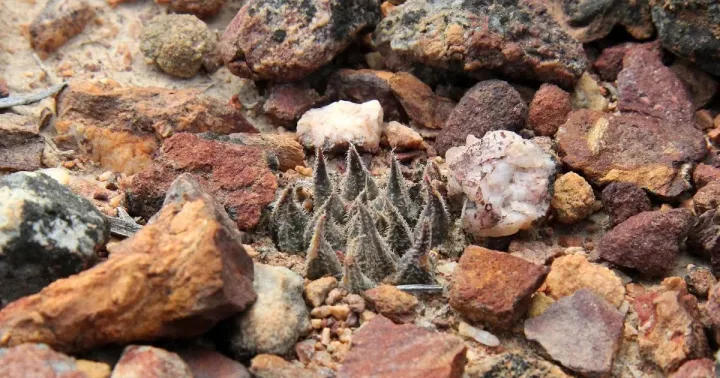
Haworthia pubescens is a perennial succulent species belonging to the Asphodelaceae family. Originating from the Cape Province in South Africa, this plant has adapted to arid, rocky environments, developing unique physiological mechanisms to survive with limited water resources.
Botanically, it is recognized for its dense rosettes and leaf surfaces covered with fine, soft hairs (pubescence), which assist in minimizing water evaporation. This species is highly sought after by succulent enthusiasts for its intricate appearance and relative compactness.
To cultivate Haworthia pubescens successfully, one must provide a well-draining, mineral-heavy growing medium. A blend of coarse sand, pumice, and minimal loamy soil is ideal to prevent water retention and promote root aeration, which is vital for the plant's health.
Light requirements are precise: the plant thrives in bright, indirect sunlight. While it can withstand some morning sun, intense afternoon rays often scorch the leaves, causing them to turn reddish or brown, while insufficient light leads to undesirable etiolation and structural weakness.
Temperature management requires a cycle that mimics its natural habitat. During the active growing season, standard indoor temperatures are suitable, but during the winter dormancy period, cooler temperatures between 10-12 degrees Celsius are essential for stimulating growth and flowering.
Main diseases and pests
Root rot is the most significant threat to Haworthia pubescens, usually triggered by excessive irrigation or poor drainage. Once root tissue begins to decay, the infection spreads rapidly, often resulting in the loss of the entire plant if intervention is not immediate.
Mealybugs are a common pest that frequently hide deep within the leaf rosettes, feeding on sap and weakening the plant's overall vitality. Regular inspection is required, and infestations should be addressed with targeted systemic insecticides or manual removal.
Spider mites represent another concern, particularly in environments with poor ventilation and low ambient humidity. These tiny pests cause pale spots and webbing, which can lead to permanent scarring of the succulent's delicate epidermis if left unchecked.
Fungal infections can occur if water becomes trapped in the center of the rosette, especially during periods of high humidity. Ensuring proper airflow around the plant is a critical maintenance practice to prevent moisture buildup and subsequent decay of the leaf tissues.
To ensure long-term health, growers should always sterilize soil components before potting. Furthermore, maintaining a strict watering schedule that allows the substrate to dry out completely between applications is the most effective preventative measure against most pathogenic threats.