
Haworthia mutica
Haworthia mutica
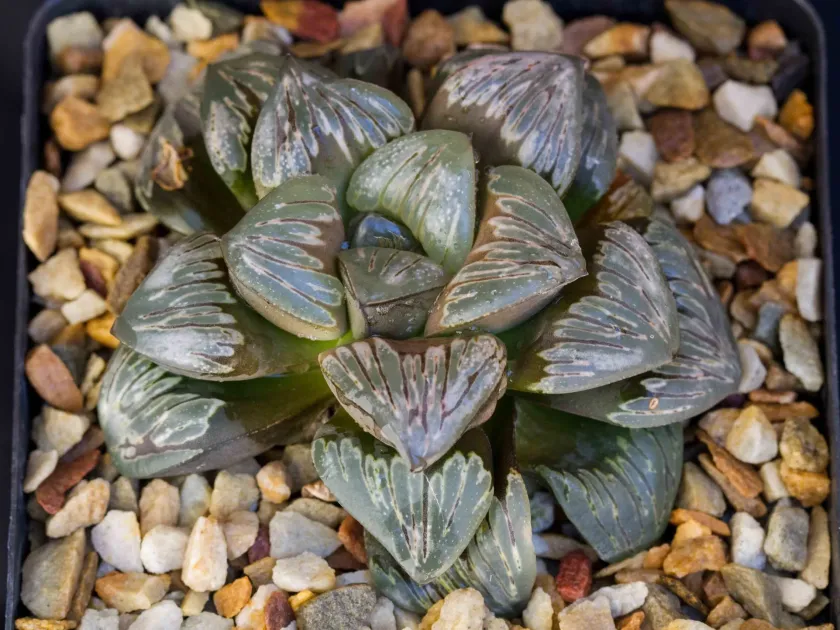
Description
Growing requirements
Haworthia mutica is a distinctive succulent belonging to the Asphodelaceae family. Originating from the Cape region of South Africa, it is a highly specialized plant adapted to arid, rocky environments where it often grows partially buried in the substrate.
Botanically, the plant is known for its stemless rosettes of fleshy, truncate leaves. The leaf tips feature translucent windows, which allow sunlight to reach the internal photosynthetic tissues while protecting the plant from the harsh intensity of direct desert sun.
The cultivation requirements focus on mimicking its natural habitat. It thrives in a highly porous, inorganic-rich soil mix consisting of pumice, lava rock, and coarse sand. Drainage is paramount, and the pot must always feature bottom holes to prevent water accumulation.
Light requirements are precise; the plant prefers bright, indirect light. While it can withstand some morning sun, intense afternoon exposure can cause the foliage to bleach or develop unsightly brown scorch marks. Proper light ensures the characteristic leaf markings remain vivid.
Watering should be minimal during the dormant winter season and moderate during the active growth period. Always allow the potting medium to dry out completely before providing the next watering session to simulate the natural moisture fluctuations of its native range.
Main diseases and pests
Root rot is the primary physiological threat to Haworthia mutica. It is almost exclusively caused by overwatering or using a substrate that lacks proper drainage. Once the roots are compromised, the rot spreads rapidly into the leaf base, leading to structural collapse.
Mealybugs are the most common pests observed on this species. They tend to hide deep within the crevices of the rosette. Detection requires close inspection, and treatment should involve targeted application of horticultural oils or insecticidal soap.
Spider mites can occasionally infest the plants, particularly in environments with extremely low humidity and high temperatures. They manifest as fine webbing and stippling on the leaves, severely affecting the aesthetic appeal of the succulent.
Preventative care includes maintaining good airflow around the plants and ensuring the humidity levels remain stable. Avoiding overhead watering is critical, as water trapped in the center of the rosette can create a breeding ground for bacterial and fungal pathogens.
In case of severe pest infestation, isolation of the plant is necessary to prevent the spread to other collection members. Regular maintenance, including the removal of dead lower leaves, helps keep the plant healthy and reduces potential hiding spots for pests.