
Salix hastata
Salix hastata L.
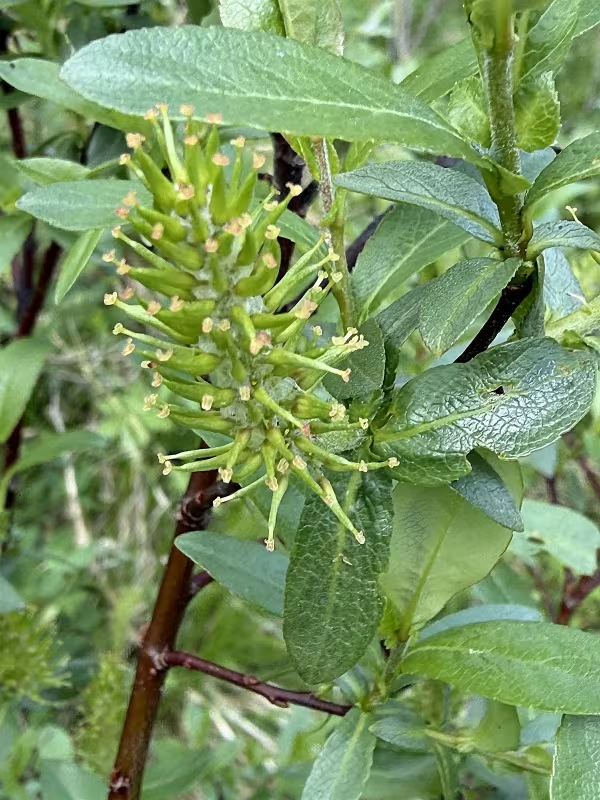
Description
Sowing dates
Propagation of Salix hastata is primarily achieved through hardwood cuttings. The optimal time for harvesting cuttings is late winter or early spring before the buds begin to swell and active growth starts.
Cuttings should be approximately 20–30 cm long and planted in moist, well-draining soil. Ensuring at least two nodes are buried beneath the surface promotes rapid root development and survival of the young shrub.
Seed propagation is possible but less common due to the rapid decline in seed viability after maturation. If seeds are used, they must be sown immediately after collection to ensure high germination rates.
In nursery settings, using rooting hormone powders can significantly improve the percentage of successful strikes. Proper spacing is essential to allow air circulation, preventing humidity-related issues during the critical establishment phase.
Establishing the plants in their permanent location is best performed in the dormant season. This allows the root system to settle before the stress of the summer heat, ensuring stronger growth in the subsequent seasons.
Growing requirements
Salix hastata, belonging to the Salicaceae family, is a resilient deciduous shrub native to sub-arctic and mountain regions of Europe and Asia. It is highly valued for its exceptional cold hardiness and adaptability.
The plant thrives in moist, well-drained soils and is particularly effective in sites where moisture levels are consistent. It performs best in neutral to slightly acidic soil conditions, which support optimal nutrient uptake.
Sunlight is a key requirement; while Salix hastata can tolerate partial shade, full sun exposure results in denser foliage and more prolific flowering, which is the primary trait for its ornamental use.
Adequate soil structure is beneficial; incorporating organic matter such as compost helps retain moisture while ensuring excess water drains away. Heavy clay soils should be amended with sand to prevent compaction around the roots.
Mulching the base of the shrub is recommended to maintain soil temperature and moisture levels. This practice mimics the natural environment and protects the shallow root system from extreme fluctuations in weather.
Yield
The primary utility of Salix hastata is found in ornamental landscape design. Its early spring blooming period, characterized by attractive catkins, makes it a preferred choice for rock gardens and borders.
Beyond aesthetics, the species is valuable for soil stabilization on steep banks or eroded areas. Its dense, fibrous root network acts as a natural anchor, preventing soil degradation in challenging terrain.
In traditional craft, the young, flexible shoots can be harvested for weaving small items. While less flexible than traditional basketry willow, its texture and appearance offer unique aesthetic qualities for artisanal work.
It provides an important early-season food source for pollinators. The presence of these shrubs in a landscape supports local bee populations by offering a reliable supply of nectar and pollen early in the year.
Maintenance of the shrub through regular pruning ensures a high yield of vigorous, healthy shoots. This management style keeps the plant youthful and minimizes the accumulation of dead wood within the canopy.
Main diseases and pests
Common plant health issues include rusts and various fungal leaf spots. These typically appear during periods of prolonged high humidity and lack of adequate air circulation around the shrub.
Pests such as willow leaf beetles can cause significant defoliation if left untreated. Monitoring the leaves during early spring is crucial to intercept pest populations before they cause widespread aesthetic damage.
Management of fungal pathogens involves the use of copper-based fungicides and proper sanitation. Removing and destroying infected leaves helps to reduce the inoculum load for the following season.
Insect control is often managed through biological means or targeted insecticide applications. Ensuring the plant is not under environmental stress, such as drought, increases its natural resistance to pest attacks.
- Pruning back infested branches immediately.
- Clearing debris from around the plant base.
- Monitoring foliage for early signs of skeletonization.