
Soursop
Annona muricata L.
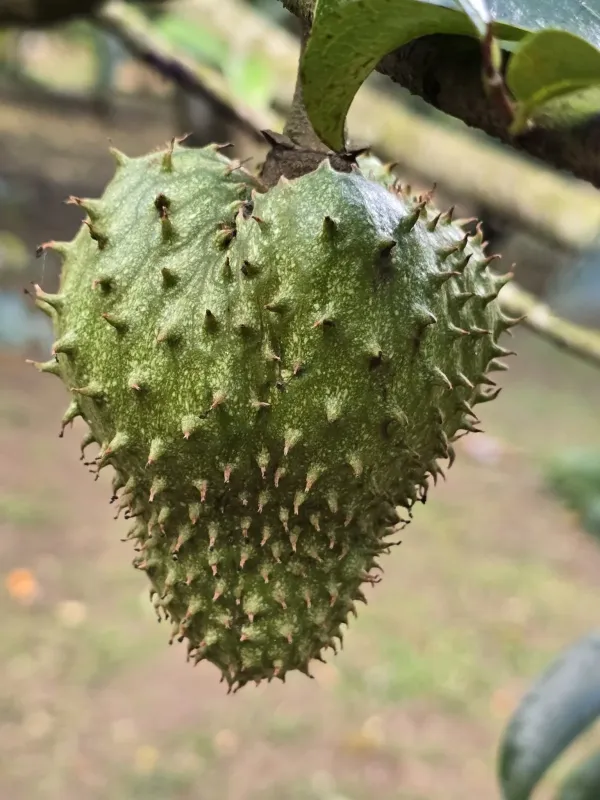
Description
Sowing dates
Propagation of soursop is most commonly performed using seeds, which lose viability relatively quickly, so they should be sown immediately after extraction from the fruit. For commercial cultivars, grafting onto seed-grown rootstocks is used to ensure the preservation of desirable maternal characteristics.
Seeds are planted in a lightweight, well-draining substrate at a depth of about 2 centimeters. The optimal germination temperature should be maintained between 25 and 30 degrees Celsius with stable soil moisture levels.
Seedlings typically emerge 2 to 4 weeks after sowing. In the first few months, young plants require shading from direct sunlight to prevent leaf scorch and dehydration of the root system, which is quite sensitive to adverse conditions during early growth stages.
Transplanting seedlings to their permanent location in tropical climates is ideally done at the onset of the rainy season. This provides the plant with sufficient moisture for root establishment before the dry season, which can be detrimental to young trees.
In commercial orchards, spacing between trees ranges from 4 to 6 meters. This density is necessary to ensure adequate crown aeration and light penetration, both of which significantly influence productivity and reduce the risk of fungal infections.
Growing requirements
Soursop is a heat-loving evergreen plant that tolerates temperatures below 5 degrees Celsius very poorly, even for short durations. Optimal conditions for active growth fall within the range of 22 to 28 degrees Celsius.
The crop has high requirements for air humidity and thrives best in regions with consistent tropical moisture. Regular rainfall or systematic irrigation is essential for the formation of healthy, large-sized fruits.
The plant is moderately demanding regarding soil conditions. It prefers deep, well-drained loam with a pH between 5.5 and 6.5. Water stagnation in the root zone is strictly undesirable as it promotes root rot diseases.
Light intensity plays a critical role in development; full sunlight exposure promotes intense flowering and improves fruit quality. When grown in shade, trees become spindly, the crown becomes sparse, and yields decrease significantly.
For intensive growth, soursop requires protection from strong winds that can damage fragile branches and cause flower or fruit drop. In some cases, agronomists recommend establishing windbreaks around the orchard perimeter.
Yield
Initial fruiting in trees grown from seeds occurs at 3 to 5 years of age. Grafted specimens may begin producing fruit as early as 2 to 3 years, making the use of high-quality propagation material more economically viable.
Soursop fruits form on the trunk and large branches. A single mature tree during peak production years is capable of yielding between 15 to 30 fruits per season, which represents a significant volume of biomass due to the substantial size of individual fruits.
The weight of a single fruit can vary from 2 to 5 kilograms, depending on agricultural management and cultivar characteristics. The flesh contains numerous hard seeds which, according to safety guidelines, should not be consumed due to the presence of alkaloids.
The flowering and ripening period is extended, requiring regular orchard inspections to monitor fruit development. The fruits are very delicate and easily damaged during transport, requiring careful handling at all times.
Maximum yields are achieved through balanced fertilization with nitrogen and potassium during the active growth phase. Nutrient deficiencies often lead to stunted fruit growth and a reduction in overall market quality.
Main diseases and pests
One of the most serious challenges is lepidopteran larvae, which actively consume foliage and can damage developing fruitlets, significantly lowering the total marketable output of the plantation.
Various species of mealybugs and scale insects often colonize the underside of leaves and young shoots, extracting sap and suppressing the general health of the tree. Systemic insecticides or integrated biological control methods are typically used for management.
Anthracnose is a prevalent fungal disease affecting both foliage and ripe fruit. In high-humidity conditions, the fungus spreads rapidly, causing blackening and rot, which necessitates preventive fungicide spraying.
Root rot caused by pathogenic fungi (such as Phytophthora) poses a lethal threat in poorly drained or waterlogged soils. This disease manifests as leaf yellowing and branch dieback, often leading to the eventual death of the entire tree.
To prevent the spread of pests and diseases, it is recommended to follow strict sanitation rules: perform timely pruning of affected crown parts, destroy fallen leaves, and maintain optimal planting density to reduce humidity within the tree canopy.
Harvesting
Harvesting is performed by hand, as the fruits have a very delicate skin and are easily bruised during falls or upon contact with hard surfaces. Maturity is determined by the skin color changing from dark green to a lighter shade and the fruit yielding slightly to pressure.
It is important to avoid complete over-ripening on the tree, as ripe fruits ferment quickly and attract pests and bats. Experienced agronomists recommend picking fruits once they reach technical maturity and allowing them to ripen in a dry, cool place.
Once harvested, soursop fruit maintains its consumer quality for only a few days at room temperature. Upon reaching full maturity, the pulp attains a creamy consistency and a characteristic sweet-tart flavor, after which it must be consumed or processed immediately.
Tools used for harvesting must be sharp and clean to prevent damage to the fruit stalk or tree bark. Damaged bark areas can serve as entry points for infections, making clean equipment vital for the longevity of the orchard.
After picking, the harvest is sorted by size and weight and packed in crates with soft padding to protect against mechanical injury. Given the short shelf life of fresh produce, logistics chains must be as efficient and rapid as possible.