
Water yam
Dioscorea alata L.
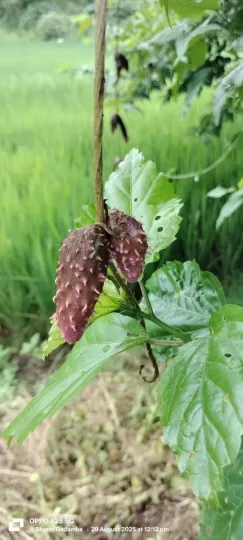
Description
Sowing dates
The planting of water yam typically begins at the onset of the rainy season to ensure a long period of warm and humid weather necessary for tuber development. In most tropical regions, this occurs during the transition months of spring.
Farmers commonly use whole small tubers or cut sections of larger tubers, weighing between 100 to 200 grams, as planting material. Selecting disease-free planting material is a critical step in ensuring a healthy and vigorous crop.
Tubers should be planted at a depth of 10–15 centimeters in well-prepared mounds or ridges to facilitate root expansion. Proper soil aeration is essential, as waterlogging in the root zone can lead to rapid decay.
A spacing of 60 to 90 centimeters between plants is recommended to prevent competition for nutrients and sunlight. This distance also provides sufficient airflow, which helps reduce the incidence of foliar diseases during the humid growing season.
Mulching the soil surface immediately after planting helps conserve moisture and maintain a stable temperature around the developing roots. This practice significantly enhances the survival rate of the sprouting plants.
##requirements##Water yam is a member of the Dioscoreaceae family that requires tropical conditions, with optimal temperatures ranging from 25 to 30 degrees Celsius. The crop is highly sensitive to cold weather and cannot withstand frost.
The plant thrives in deep, loose, and well-drained soils, preferably sandy loam or clay loam, rich in organic matter. Compacted or heavy soils severely restrict tuber growth and often result in misshapen harvests.
Consistent light exposure is necessary for the plant's photosynthetic activity. While water yam can tolerate partial shade in its early stages, full sun is preferred for maximizing starch accumulation in the tubers.
Providing vertical support for the climbing stems is a vital part of the agronomic practice. Without a trellis or stake, the vines sprawl on the ground, which reduces leaf exposure to sunlight and limits total yields.
Adequate water supply is crucial, especially during the active growth phase when tubers are swelling. A total of 1000–1500 millimeters of rainfall distributed across the growing cycle is ideal for optimal productivity.
##yield##Average yields for water yam range from 20 to 40 tons per hectare, though intensive farming techniques can push these figures higher. Success is largely dependent on the quality of soil fertility management.
The tubers produced can be remarkably large, sometimes exceeding 10 kilograms per plant, depending on the specific variety. Flesh color varies from white to purple, influenced by the genetic background of the cultivar.
The growth cycle is relatively long, typically lasting 8 to 10 months from planting to maturity. Because of this, large-scale commercial cultivation is primarily limited to regions with long, warm growing seasons.
The application of potassium-rich fertilizers is highly beneficial for tuber development and sugar conversion. Balanced nutrient management is key to producing heavy, high-quality tubers that appeal to the market.
Ongoing breeding programs focus on increasing yields and improving tuber shapes, which facilitates mechanical harvesting. Furthermore, researchers are working on varieties with enhanced nutritional profiles, such as higher antioxidant content.
##threats##Root-knot nematodes are among the most serious threats, as they infest the tubers and cause severe damage that makes them unmarketable. Proper rotation and the use of clean planting stock are the best defenses.
Anthracnose is a prevalent fungal disease that targets the foliage, causing leaves to wither prematurely. In humid conditions, this pathogen can devastate an entire field if not managed through fungicides or resistant cultivars.
Various insect pests, such as leaf beetles, can consume foliage and weaken the plant, leading to stunted tuber growth. Regular field monitoring is essential to detect pest outbreaks and apply control measures promptly.
Viral diseases, often spread by insect vectors like aphids, pose a continuous threat to yam crops. Management strategies focus on controlling vector populations and removing symptomatic plants from the field immediately.
- Anthracnose (Colletotrichum gloeosporioides)
- Root-knot nematodes
- Yam mosaic virus
- Leaf-eating beetles
- Post-harvest decay fungi
Harvesting should be conducted when the foliage starts to yellow and die back naturally, indicating that the tuber has reached its maximum size. This stage usually occurs at the end of the 9th or 10th month.
Careful excavation of the soil around the tubers is necessary to prevent skin punctures. Even minor damage can lead to fungal infections and rapid rotting during the storage phase of the produce.
Once lifted, the tubers should be cleaned of soil and air-dried in a shaded, well-ventilated area for several days. This curing process helps heal minor wounds and hardens the skin for better longevity.
Storage requires cool, dark, and well-ventilated conditions to prevent sprouting or dehydration. When kept under proper conditions, water yam tubers can remain fresh for up to six months.
Large-scale operations often utilize specialized equipment to loosen the soil, though manual labor is still preferred for high-value varieties. Effective harvesting practices are essential for maintaining the market value of the crop.