
Lesser yam
Dioscorea esculenta (Lour.) Burkill
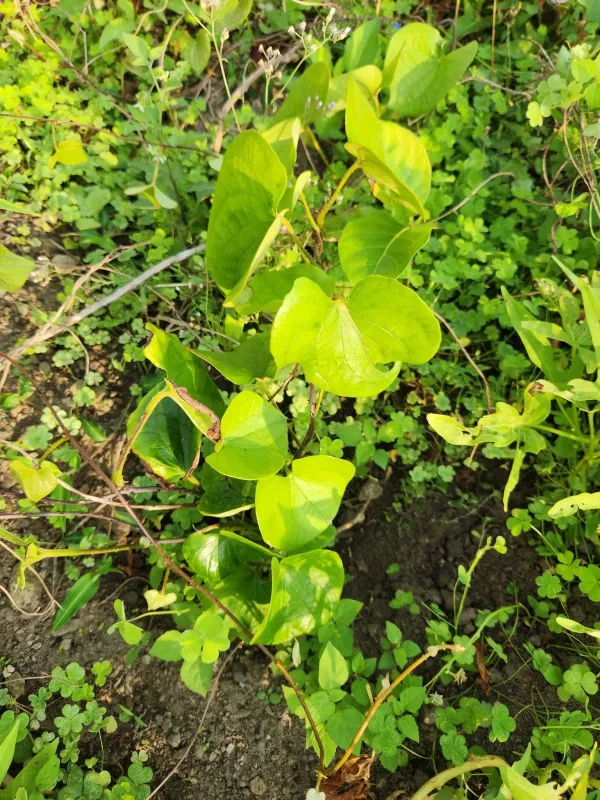
Description
Sowing dates
Planting of the lesser yam occurs at the beginning of the rainy season when soil temperatures are sufficiently warm. This timing ensures that the plants receive the necessary heat for their long development cycle during the growing season.
The propagation material typically consists of small tubers or segments of larger tubers weighing between 100 and 150 grams. Each piece must contain at least one viable bud to successfully initiate shoot and root system development.
Tubers are planted at a depth of 10–15 centimeters, which protects them from desiccation of the topsoil while allowing the new shoots to emerge efficiently. In regions with varying rainfall, this depth is crucial for moisture retention.
Before planting, cut surfaces are often treated with wood ash or fungicides to prevent rotting. This precautionary measure is essential in high-humidity climates where soil-borne pathogens can easily compromise the plant's health.
As lesser yam is a climbing plant, installing sturdy trellises or supports is a vital part of the sowing process. These supports are necessary for the vine to grow vertically and receive adequate sunlight throughout its lifespan.
Growing requirements
The lesser yam is a heat-loving crop that thrives in temperatures ranging from 25 to 30 degrees Celsius. Sustained cool weather, particularly temperatures below 20 degrees, significantly hinders metabolic processes and slows down growth.
Consistent moisture is required throughout the growing phase, with a total annual rainfall of 1000–1500 millimeters being ideal. Proper distribution of rainfall is just as important as the total volume to ensure consistent tuber development.
Well-drained, loose, and deep soils are essential for high-quality production. Heavy clay soils tend to restrict the growth of the tubers, leading to misshapen produce and making mechanical or manual harvesting significantly more difficult.
The soil pH should ideally be between 5.5 and 7.0. Rich organic content in the soil provides the necessary nutrients for the plant to build thick, nutritious tubers, and organic amendments are highly recommended before land preparation.
While the plant can tolerate partial shade, maximum yields are achieved in full-sun locations. Protection from strong winds is also required, as the vine foliage is delicate and can be easily damaged during intense storm events.
Yield
Yields of the lesser yam vary depending on local conditions and farming intensity. Under optimal agricultural management, yields can reach 20 to 30 metric tons per hectare, making it a reliable staple crop.
Potassium-rich fertilizers are critical for maximizing tuber size and starch content. Consistent nutrition management during the early and mid-vegetation stages helps the plant channel energy into storage organs rather than just foliage growth.
Crop rotation is a standard practice to maintain high yield levels and prevent the buildup of soil pathogens. By alternating with non-host crops, farmers can ensure the health of the soil and the vigor of the yam plants for several years.
While extensive farming methods result in lower yields, they remain common in traditional settings. However, modern approaches involving selected planting material and proper spacing are increasingly used to boost overall productivity.
The timing of the harvest is a significant factor in final yield. Waiting for the foliage to fully yellow and dry ensures that the starch translocation process is complete, resulting in denser and higher-quality tubers.
Main diseases and pests
Nematodes are among the most persistent threats to yam cultivation, as they attack the root system and cause significant damage to the tubers. Infested produce is often unmarketable and susceptible to further decay.
Various insects, such as aphids and leaf-eating beetles, target the aerial portions of the plant. These pests can significantly reduce the photosynthetic area, which leads to stunted tuber development and lower overall crop quality.
Anthracnose is a primary fungal disease that targets the leaves and stems. High humidity and poor airflow create the perfect environment for the disease to spread rapidly, sometimes defoliating entire fields if left untreated.
Tuber rot, caused by various soil-borne fungi, can lead to substantial losses both in the field and during storage. Proper handling during harvest to avoid skin nicks and bruises is the most effective way to prevent these infections.
- Root-knot nematodes;
- Aphids and leaf-eating beetles;
- Anthracnose fungal disease;
- Fusarium tuber rot;
- Mosaic virus infections.
Harvesting
The harvest typically begins 8–10 months after planting, marked by the yellowing and wilting of the vine. This physiological transition indicates that the plant has ceased active growth and that the tubers are fully developed.
Manual digging with forks or spades is preferred to minimize mechanical damage to the tubers. Because the skin of the yam is thin and sensitive, extra care must be taken to ensure the longevity of the harvested crop.
After excavation, tubers are cleaned of excess soil and cured in a shaded, well-ventilated area. This curing phase allows small wounds to heal, which is critical for preventing fungal infection during long-term storage.
Storage conditions should be kept at approximately 15 degrees Celsius with low humidity. This environment prevents premature sprouting and keeps the tubers firm, allowing them to be stored for several months after the harvest.
Proper harvesting and post-harvest handling are essential for marketing the produce. A careful, systematic approach ensures that the high quality of the Lesser yam is maintained from the field to the consumer.