
Yellow yam
Dioscorea cayenensis Lam.
Description
Sowing dates
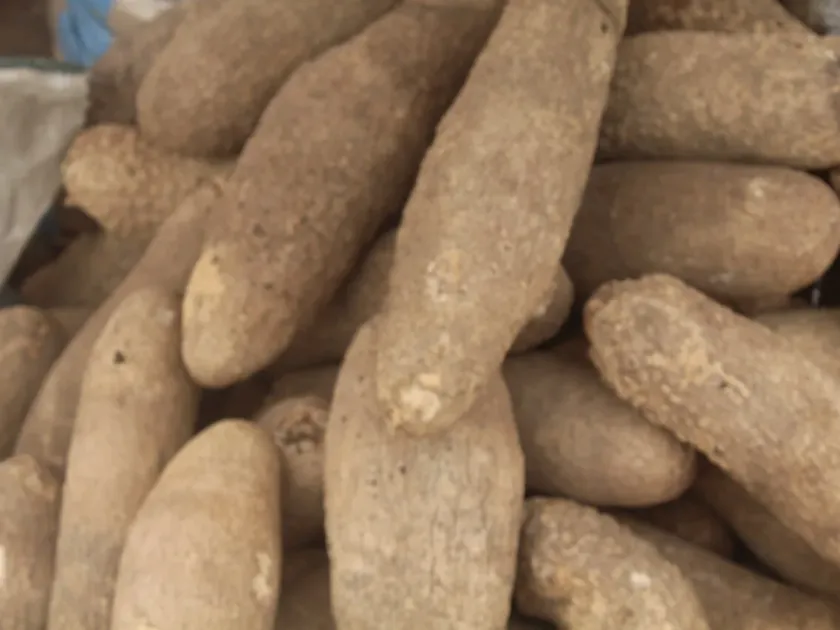
Dioscorea cayenensis, commonly known as yellow yam, is a perennial climbing plant in the Dioscoreaceae family that is typically cultivated as an annual crop for its edible tubers.
The crop is propagated vegetatively by planting small pieces of tubers, ideally weighing between 100 to 200 grams, which serve as the primary planting material for the new season.
Planting usually occurs at the beginning of the rainy season, ensuring the tubers have access to sufficient soil moisture to initiate robust sprout development and root growth.
Preparing the land involves creating deep mounds or ridges, which provide the necessary loose soil texture for the tubers to grow to their full potential without encountering compaction.
Proper spacing is critical to avoid overcrowding, which can lead to competition for sunlight and nutrients, ultimately reducing the overall yield per hectare.
Growing requirements
As a tropical crop, yellow yam requires a consistent climate with temperatures between 25°C and 30°C to achieve optimal metabolic activity and tuber bulking.
The plant has high water requirements during its initial growth phases; however, waterlogging must be avoided, as it leads to root decay and susceptibility to soil-borne pathogens.
Ideal soil types are deep, well-drained, fertile sandy loams with a slightly acidic pH, ranging from 5.5 to 6.5, which facilitates easy penetration of the growing tubers.
Providing climbing support, such as bamboo poles or trellises, is an essential agronomic practice as it allows the foliage to maximize light interception for photosynthesis.
Organic amendments and balanced NPK fertilizers are recommended to maintain soil fertility, particularly potassium, which plays a major role in tuber development and starch accumulation.
Yield
Yellow yam yields typically range from 10 to 20 tonnes per hectare depending on soil quality, cultivar selection, and the intensity of the agronomic management practices implemented.
The crop requires a long growing season of approximately 8 to 10 months, and yield is highly dependent on the plant’s ability to remain free of stress throughout this period.
Consistent weeding during the first three months after planting is vital to ensure that the young vines are not outcompeted by aggressive weed species common in tropical climates.
Proper management of the vine canopy is directly correlated with higher starch content in the harvested tubers, making foliage protection a priority for farmers.
Post-harvest handling is just as important as the cultivation phase, as high-quality tubers require gentle care to maintain their market value and extended shelf life.
Main diseases and pests
Fungal diseases, especially anthracnose, represent the most serious threat to foliage, causing leaf blight that can prematurely end the photosynthetic cycle and reduce final yields.
Nematodes are persistent soil pests that attack the tubers, resulting in rough, cracked skin and reduced quality, which also makes the tubers more prone to rot during storage.
Palaeopus weevils can cause significant damage by boring into the tubers, rendering them unfit for human consumption if the infestation remains uncontrolled.
Effective management includes integrated pest control strategies, such as using clean planting material and avoiding monocropping on the same plot for consecutive years.
- Crop rotation with non-host plants
- Use of resistant or tolerant cultivars
- Application of fungicides at early disease detection
- Regular field monitoring for pest symptoms
Harvesting
Harvesting commences when the vines show clear signs of senescence, such as yellowing and drying, indicating that the tubers have reached physiological maturity.
The tubers must be excavated carefully, often using hand tools or specialized mechanical diggers set at appropriate depths to avoid bruising or slicing the roots.
Once harvested, tubers should be cleaned of soil and placed in a shaded, well-ventilated area to allow their skin to cure and harden, which improves storage longevity.
Storage should be conducted in structures that prevent direct sunlight exposure and high humidity to discourage fungal development and sprouting during the off-season.
Correct storage conditions allow yellow yam to remain edible for several months, provided the tubers were healthy and free of mechanical damage at the time of entry into storage.