
Hamilton's Yam
Dioscorea hamiltonii Hook. f.
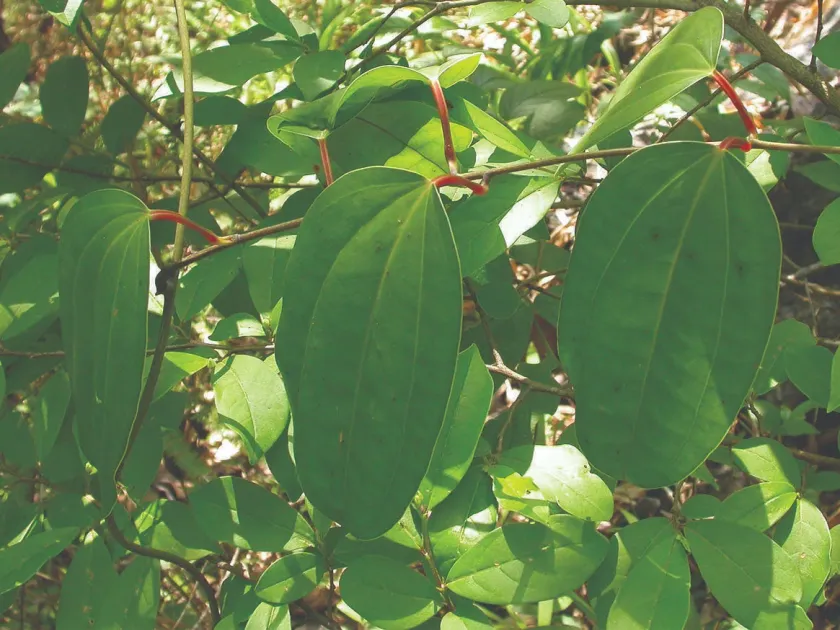
Description
Sowing dates
Hamilton's Yam (Dioscorea hamiltonii) is a perennial climbing vine belonging to the Dioscoreaceae family. In tropical regions, planting typically coincides with the beginning of the rainy season to ensure optimal tuber establishment.
Propagation is primarily vegetative, using either tuber segments or aerial bulbils that develop in leaf axils. When starting from seeds, specialized nursery beds with high organic matter content are required for initial development.
Successful germination and early growth require stable temperatures between 22 and 28 degrees Celsius. The ideal planting window in temperate-tropical climates occurs when soil temperatures rise to at least 18 degrees Celsius.
Soil preparation is critical, requiring well-drained and friable conditions. Since Hamilton's Yam is sensitive to waterlogging, planting on raised ridges or mounds is recommended, especially in heavier soil types, to ensure proper root zone aeration.
Field planting density typically ranges from 10,000 to 15,000 plants per hectare, depending on local soil fertility and the specific goals of the production, such as whether it is intended for medicinal or culinary use.
Growing requirements
The crop is highly sensitive to frost, restricting its viable cultivation area to tropical and subtropical zones in Asia. It requires a consistent warm climate throughout its growth cycle to reach full potential.
Deep, fertile soils with a neutral to slightly acidic pH are ideal. Loamy or sandy-loam textures that are rich in organic content facilitate the development of well-shaped, high-quality tubers.
Sufficient light is essential for the photosynthesis of the climbing vines. Although the plant can tolerate partial shade, maximum yields are achieved under full sun exposure for the majority of the day.
Water management must be balanced. While regular irrigation is necessary during the active vegetative stage, moisture levels should be reduced as the tubers mature to prevent rot and maintain high post-harvest quality.
Agrotechnical management includes mulching to maintain soil structure and prevent root zone overheating. Mulch also serves as a critical tool for suppressing early-season weed growth, reducing labor costs significantly.
Yield
Yield potential for Hamilton's Yam depends heavily on planting material quality and diligent crop management. On average, yields range from 15 to 25 tons per hectare under standardized intensive farming practices.
Tuber size varies significantly based on plant age and environmental conditions. This species is often sought after not only as a food staple but also for its secondary metabolites, particularly steroid saponins.
Optimizing nitrogen levels is crucial to promote robust tuber development rather than excessive foliage growth. Balanced fertilization programs that include organic amendments are associated with the highest harvest volumes.
Long-term productivity is heavily influenced by crop rotation. Continuous monoculture often leads to pathogen buildup, which can drastically reduce both the size and the market value of the harvested tubers over consecutive seasons.
The commercial utility of this species extends into the pharmaceutical sector, where specialized compounds found in the tubers are utilized for various industrial applications, increasing the overall crop value.
Main diseases and pests
Soil-borne nematodes are the primary threat, as they cause significant physical damage to tubers, which in turn creates entry points for secondary fungal infections that lead to decay and storage losses.
Anthracnose and various types of root rot are the most common pathological threats. Effective control strategies include strict disinfection of planting material and meticulous moisture management to avoid stagnant water conditions.
Pests such as aphids and various larvae can damage foliage during the early growth phase, reducing the overall vigor of the vine. Implementing integrated pest management (IPM) practices is essential for sustained healthy plant growth.
During the post-harvest stage, fungal molds pose a severe threat, particularly if the tuber skin is damaged during extraction. Careful handling and curing processes are required to ensure the longevity of the harvest.
To mitigate disease risks, farmers should avoid planting Hamilton's Yam on the same plot more than once every three to four years, effectively breaking the cycle of soil-borne pathogens and pests.
Harvesting
Harvesting is typically performed once the aerial parts of the plant begin to naturally die back. This stage indicates that the tubers have reached peak maturity and maximum concentration of starch and active compounds.
The extraction process requires precision to avoid damaging the brittle tubers. Mechanical harvesting using specialized digging equipment adjusted for root crops is standard practice in larger operations to prevent scarring and bruising.
Following harvest, the tubers must be cleaned of soil and cured in a shaded, well-ventilated area. Direct exposure to sunlight should be avoided to prevent skin damage and accelerated degradation of the harvested product.
Storage should take place in cool, dry conditions with temperatures maintained between 10 and 15 degrees Celsius. Continuous airflow is required to manage moisture and prevent the development of mold or rot during storage.
Sorting the crop by size and quality is essential for streamlining distribution. Proper grading ensures that the best tubers are reserved for high-value sales or as high-quality seed material for future planting cycles.