
Dioscorea hispida
Dioscorea hispida Dennst.
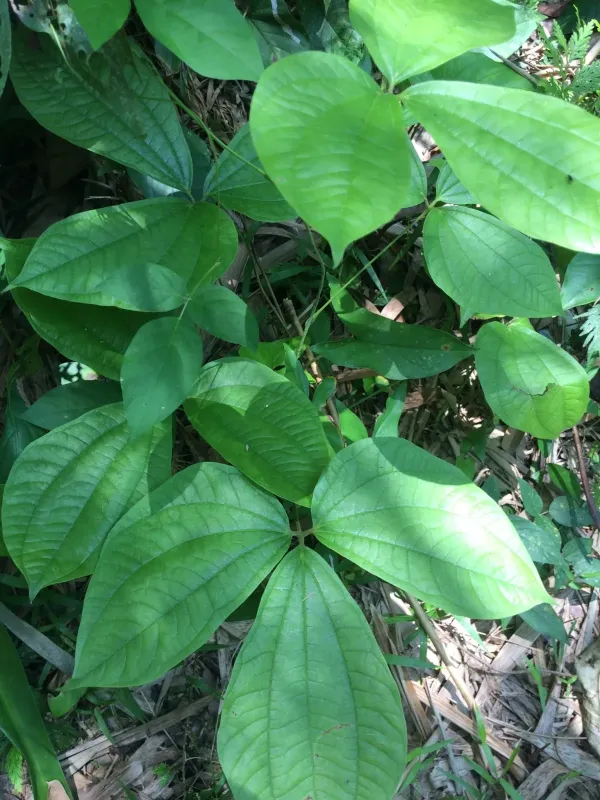
Description
Sowing dates
Planting of Dioscorea hispida is typically performed at the onset of the rainy season to utilize the soil moisture. For propagation, small sections of the tubers are used, which are planted at a depth of 10–15 centimeters to ensure robust initial growth.
As this species is a climbing plant, establishing a trellis system is essential for optimal growth. Providing support allows the vines to spread evenly, maximizing leaf surface area and ensuring proper solar radiation absorption.
Soil preparation involves deep tilling to create a loose structure, which is vital for the proper expansion of the tubers. Adding compost or organic matter during the initial land preparation significantly promotes tuber development.
The recommended spacing for commercial cultivation is approximately one meter between plants. This distance reduces competition for nutrients and ensures the necessary air circulation to prevent moisture-related diseases in the foliage.
Crop rotation should be strictly followed to maintain soil fertility and break the life cycle of soil-borne pathogens. Rotating with legumes is often recommended to naturally enrich the soil with nitrogen and improve overall productivity.
Growing requirements
Dioscorea hispida, belonging to the family Dioscoreaceae, is a tropical plant native to Southeast Asia. It thrives in high-humidity environments and requires deep, well-drained loamy or sandy soils to reach its full potential.
The plant is highly sensitive to waterlogging; therefore, selecting a site with excellent drainage is paramount. Excess water in the root zone can quickly lead to tuber rot, effectively destroying the entire yield.
Temperature requirements are consistent with tropical climates, requiring warm conditions throughout the growing season. Frost or cold snaps are extremely damaging and can cause permanent physiological stress to the plant.
While the plant can tolerate partial shade, it performs best in full sunlight. Proper exposure to light ensures the production of healthy foliage, which is essential for the translocation of carbohydrates into the developing tubers.
Agronomists must be aware of the presence of the alkaloid dioscorine within the tubers. This biological feature necessitates strict adherence to post-harvest processing protocols to ensure the safety of the final agricultural product.
Yield
The yield of Dioscorea hispida is cumulative, with the tubers increasing in mass over several growing seasons. A typical harvest cycle lasts between two to three years before the tubers attain the desired commercial size.
Under intensive agricultural practices, a single plant can yield between 3 and 5 kilograms of starchy tubers. The final output depends on management practices, including irrigation and soil fertility levels.
Mulching is a highly recommended practice to maintain uniform soil moisture and control weed growth. This simple technique significantly enhances tuber development and ensures a more consistent harvest volume across the plot.
The harvest must be handled with care to prevent bruising. Since the tubers contain toxic compounds, they are not ready for immediate consumption and must undergo a mandatory detoxification process before entering the food supply chain.
Maintaining high yields over long periods requires constant monitoring of soil nutrient status. Periodic testing and the application of balanced fertilizers are essential to support the ongoing development of the root systems.
Main diseases and pests
Nematodes represent the most severe threat to the crop, as they infest the tubers and hinder their growth. Using healthy, certified planting material and following a rigorous rotation schedule are the best preventive measures.
Foliage pests, such as leaf-eating beetles, can diminish the plant's photosynthetic capacity. Prompt monitoring and manual removal of these insects are often sufficient to prevent significant damage in smaller, sustainable systems.
Anthracnose and other fungal diseases pose a significant risk, especially during periods of excessive rainfall. Improving airflow within the trellis system and ensuring dry conditions in the immediate area are key to disease management.
Root rot caused by water stagnation is a primary cause of yield loss. Ensuring the site is well-drained and strictly controlling irrigation schedules can prevent the development of these destructive pathogens.
Biopesticides are preferred for this culture to ensure that the tubers remain free of harmful chemical residues. Integrated pest management strategies that combine monitoring and biological control are the foundation of healthy cultivation.
Harvesting
Harvesting is initiated once the aerial parts of the plant begin to senesce and turn yellow. This signifies that the nutrient reserves have been fully diverted to the storage organs, marking the peak of tuber development.
To extract the tubers, growers should use hand tools with blunt edges to avoid mechanical injury. Damaged skins are highly susceptible to opportunistic fungi during the storage phase, making careful handling a top priority.
Post-harvest, tubers must be cleaned and dried in a well-ventilated, shaded environment. This curing process helps seal any minor cuts and prepares the crop for longer-term storage without immediate spoilage.
Storage should be conducted in cool, dry, and dark conditions. Proper airflow is essential to prevent moisture buildup, which is the most common cause of mold growth in harvested yam-like crops.
Processing for consumption is a critical final step. Tubers are typically sliced and soaked in running water for an extended period to leach out toxic alkaloids. Once detoxified, they can be processed into flour or cooked for consumption.