
Dioscorea bulbifera
Dioscorea bulbifera L.
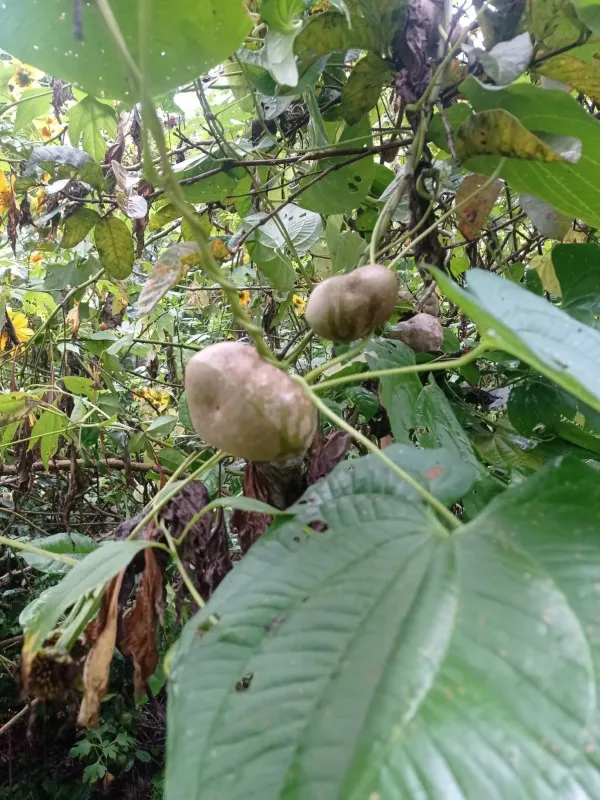
Description
Sowing dates
Dioscorea bulbifera is primarily propagated vegetatively using the aerial bulbils (air potatoes) produced in the leaf axils or by dividing the main subterranean tubers. This ensures the genetic consistency of the crop.
Planting should begin once the danger of frost has passed and soil temperatures have consistently risen above 15°C. In tropical regions, planting is usually synchronized with the onset of the rainy season.
As a vigorous climbing vine, the plant requires structural support. Installing trellises or stakes is essential for maximizing leaf area and ensuring proper tuber development throughout the growing season.
The recommended planting density involves spacing plants approximately one meter apart. This allows for sufficient air circulation and nutrient availability, which are vital for the health of the climbing stems.
For accelerated growth, bulbils can be pre-sprouted in a controlled environment before being transplanted to the field. This practice minimizes the time the crop spends in the initial establishment phase.
Growing requirements
Belonging to the Dioscoreaceae family, this species thrives in tropical and subtropical climates, requiring high ambient humidity and warm temperatures, ideally between 25°C and 30°C.
The crop demands deep, loose, well-drained soil with a high organic matter content. Sandy loam is considered ideal for tuber development, as compacted soils restrict growth and cause deformation.
Exposure to full sunlight is necessary for optimal photosynthesis and the accumulation of starch in the tubers. While the plant can tolerate partial shade, productivity is significantly higher in sunny locations.
Regular irrigation is critical during the peak growing season to maintain soil moisture. However, the soil must be well-drained, as waterlogging is a common cause of root and tuber rot.
Balanced fertilization, particularly with potassium-rich amendments, is recommended to support tuber enlargement and ensure healthy development of the vegetative mass.
Yield
The yield consists of both underground tubers and the distinctive aerial bulbils. Both parts of the plant are harvestable and possess significant agricultural and nutritional value.
Tuber size and overall crop yield are highly dependent on the length of the growing season and the provision of adequate support structures. Mature plants can yield several kilograms of tubers.
In addition to food production, the plant serves as a source of steroid saponins. These compounds are extracted for pharmaceutical use, making the crop economically important for medical research and industry.
Processing for consumption requires careful preparation, as raw tubers often contain bitter compounds that must be neutralized through boiling, soaking, or roasting to ensure food safety.
Harvest cycles are typically annual, though in warmer climates, the plant may remain productive for longer periods with proper soil maintenance and nutrient management.
Main diseases and pests
The crop is susceptible to fungal diseases such as leaf spot and anthracnose, which are particularly prevalent during periods of high humidity and poor ventilation within the trellis systems.
Root-knot nematodes are a significant soil-borne threat that can severely impact the quality and shape of subterranean tubers, leading to reduced marketability and overall plant vigor.
Various pests, including aphids and spider mites, may infest the vines, particularly during dry spells. These pests weaken the plant and can act as vectors for viral pathogens.
Integrated pest management strategies, such as maintaining proper spacing, crop rotation, and the use of clean planting stock, are essential to minimize the risk of infection.
- Leaf spot (Anthracnose)
- Root-knot nematodes
- Aphids
- Spider mites
- Tuber rot (post-harvest)
Harvesting
Harvesting is performed after the aerial parts of the vine have naturally withered. This senescence signals that the plant has ceased active growth and transferred nutrients to the tubers.
Aerial bulbils are gathered by hand as they reach maturity. It is advisable to harvest them before they fall to the ground to prevent bruising and potential infection by soil-borne pathogens.
Subterranean tubers are carefully excavated to prevent mechanical damage. Since the skin of the tuber is often thin, careful handling is required to maintain quality during storage.
Post-harvest treatment involves cleaning the tubers of excess soil and allowing them to cure in a shaded, well-ventilated area to heal any surface wounds incurred during the digging process.
For storage, the tubers should be kept in a cool, dark, and dry environment. Proper air circulation is necessary to prevent rot and to extend the shelf life of the harvested product.