
Japanese yam
Dioscorea japonica Thunb.
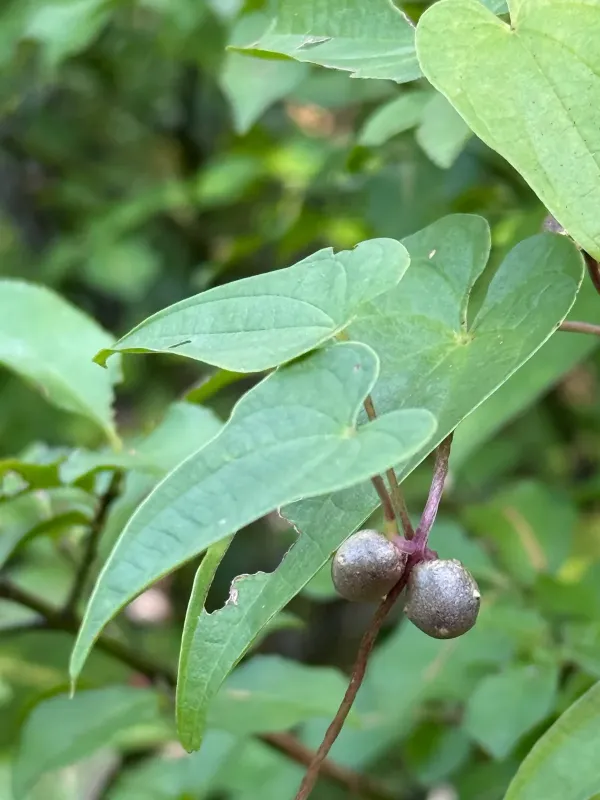
Description
Sowing dates
Cultivation of Dioscorea japonica is primarily performed through vegetative propagation using rhizome segments or aerial bulbils that develop in leaf axils. In temperate regions, planting is best conducted once the soil has warmed up, usually in late May, ensuring all risk of frost has passed.
Rhizome pieces should be planted in furrows at a depth of 10–15 centimeters. It is essential to maintain proper spacing, with rows approximately 60–70 centimeters apart and 30–40 centimeters between individual plants to ensure adequate space for root expansion.
While seed propagation is possible, it is significantly more time-consuming and is generally reserved for breeding purposes. Seeds should be sown in nursery flats during early spring at temperatures ranging between +18°C and +20°C to ensure strong seedling establishment.
As a climbing plant, Dioscorea japonica requires sturdy trellises or supports for its vines. Installing these support structures at the time of planting is crucial to prevent damage to the developing root system during later stages of growth.
The optimal start of the growing season occurs when daily average temperatures stabilize above +15°C, allowing the plant to rapidly develop its vine structure, which is vital for the accumulation of nutrients in the underground tubers.
Growing requirements
Japanese yam requires specific soil conditions, thriving in loose, deep, and well-drained sandy loam or light loam soils. Proper drainage is critical, as waterlogged conditions quickly lead to root rot and other fungal pathogens.
The plant is highly photophilous and requires full sun exposure for optimal growth. While it can tolerate slight shade, significantly less light leads to reduced tuber weight and diminished starch accumulation, impacting overall harvest quality.
Consistent moisture is necessary throughout the growing season; however, excessive irrigation must be avoided. During prolonged dry spells, supplemental watering is required to maintain steady soil moisture, especially during the tuber bulking phase.
Neutral to slightly acidic soils rich in organic matter are ideal for this crop. Before planting, incorporating mature compost or well-rotted manure along with balanced mineral fertilizers will significantly improve growth outcomes.
Although the plant shows moderate cold hardiness, its aerial vines are sensitive to early autumn frosts. In regions with harsh winters, rhizomes must be harvested or heavily mulched to prevent frost damage to the underground parts.
Yield
The yield of Dioscorea japonica depends heavily on the quality of agronomic practices and the length of the growing season. Under optimal conditions, a single mature plant can produce a tuber weighing between 500 grams and 1.5 kilograms.
Peak yield is typically reached during the second or third year of cultivation. In commercial operations, with high-density planting and proper care, yields can range from 15 to 20 metric tons per hectare.
To maximize output, growers should focus on nitrogen-phosphorus fertilization early in the season to build foliage, followed by potassium-rich fertilizers later to promote tuber development and nutrient storage.
The crop is highly valued for both industrial use in the pharmaceutical sector, where it is a source of steroid saponins, and as a healthy, starch-rich food source in various Asian culinary traditions.
Efficient trellis management is a key factor in yield optimization, as the vertical growth of the plant directly correlates to the energy available for underground tuber enlargement throughout the late summer and autumn.
Main diseases and pests
Dioscorea japonica is generally robust, but it can be susceptible to fungal diseases such as root rot and Fusarium wilt if drainage is poor. Vigilance regarding soil moisture management is the most effective preventative measure.
Key pests include wireworms and white grubs, which feed on the underground tubers. Foliage can also be attacked by aphids or spider mites during hot, dry weather, requiring regular inspection of the vines.
To mitigate the risk of soil-borne pathogens, growers should implement a strict crop rotation schedule, avoiding the replanting of Japanese yam on the same plot for at least three to four years.
Preventative measures include treating planting material with appropriate fungicides and maintaining a weed-free environment, as many weeds act as alternative hosts for common insect pests.
In the event of an infestation, integrated pest management strategies should be employed, prioritizing biological controls and targeted applications to minimize the impact on crop quality and safety.
Harvesting
Harvesting usually takes place in the autumn, once the aerial parts of the plant have naturally withered and dried. This typically occurs in October or November, signaling that the tubers have reached their maximum weight and maturity.
Because tubers can grow quite deep into the soil, mechanical harvesting or careful manual digging using garden forks is recommended to minimize cuts and bruises, which can lead to rapid decay during storage.
After harvest, tubers should be gently cleaned of soil and cured in a shaded, well-ventilated area. Proper curing helps seal any minor skin abrasions and prevents the spread of rot during the storage period.
For long-term storage, the tubers should be kept in a cool, dark environment at temperatures around +2°C to +5°C, ideally packed in dry sand or sawdust to maintain optimal humidity and prevent dehydration.
Where the climate allows for mild winters, some growers may leave a portion of the harvest in the ground until spring, though commercial producers generally prefer full excavation to ensure proper grading and storage.