
Cush-cush yam
Dioscorea trifida L. f.
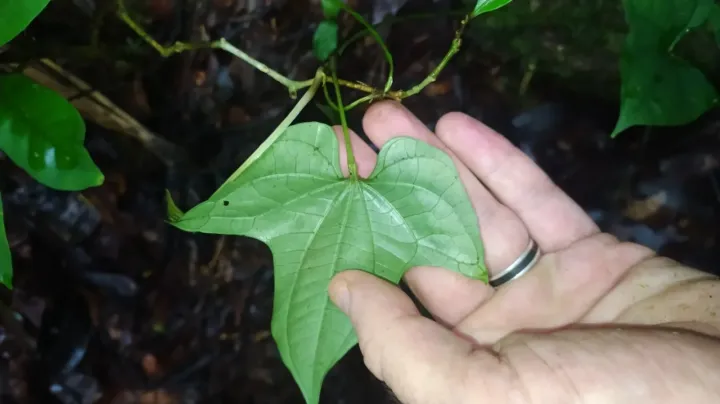
Description
Sowing dates
Dioscorea trifida, widely known as Cush-cush yam, is a perennial vine belonging to the Dioscoreaceae family. Planting typically occurs at the beginning of the rainy season when the soil is warm and moisture levels support rapid rooting.
Propagation is primarily carried out using sections of mother tubers weighing between 100 and 200 grams, each containing viable buds. Maintaining an appropriate spacing of 60 to 80 cm between plants is essential for optimal development.
The planting depth should be approximately 10–15 centimeters. In regions with distinct wet and dry seasons, timing the planting is crucial to ensure the plant's growth cycle aligns with the period of peak precipitation.
As a climbing plant, Dioscorea trifida requires supportive structures such as stakes or trellises. Without proper support, the vines sprawl on the ground, which reduces leaf exposure to sunlight and increases the risk of fungal diseases.
The vegetative cycle of the plant is long, generally requiring 9 to 12 months from planting to harvest. Consistent management and care during this period are required to maximize the development of the underground tubers.
Growing requirements
The Cush-cush yam thrives in tropical climates with temperatures ranging from 25 to 30 degrees Celsius. The crop is highly sensitive to frost and cold snaps, which cause the aerial parts of the plant to wither and die.
The crop requires deep, loose, and well-drained soil to allow for the uniform expansion of the tubers. Sandy loam soils rich in organic matter are considered the best medium for achieving high-quality yields.
Proper drainage is paramount, as waterlogging is detrimental to the plant's root system. In areas with heavier clay soils, the use of raised beds is highly recommended to prevent tuber rot.
Abundant sunlight is necessary for efficient photosynthesis, which in turn drives starch accumulation in the tubers. Shaded environments significantly hinder growth and result in smaller, low-quality tubers.
Fertilization with a balanced mix of nitrogen, phosphorus, and potassium supports the plant's vigorous growth. Monitoring moisture levels is vital, especially during the stage when the vines are actively expanding.
Yield
Yields for Dioscorea trifida typically range from 15 to 25 tons per hectare. This value depends heavily on the intensity of the agricultural practices, soil fertility, and the genetic potential of the selected cultivar.
Soil preparation depth is directly proportional to tuber size. A deeply tilled soil profile minimizes resistance, allowing the tubers to grow larger, smoother, and more marketable without deformations.
Mulching is a standard practice that helps maintain stable soil moisture and temperature, creating a favorable environment for tuber development. This practice also effectively suppresses weeds that compete for nutrients.
On average, a single plant produces several tubers with a total weight ranging from 1 to 3 kilograms. Modern breeding programs focus on developing varieties that form more compact tuber clusters to ease the harvesting process.
The total yield is also influenced by the plant's ability to resist environmental stress and pest pressure. Maintaining a healthy canopy throughout the growing season is the key to ensuring maximum starch accumulation in the root system.
Main diseases and pests
The main threats include soil-borne pathogens such as Fusarium and various fungi that cause tuber rot under excessively wet conditions. Anthracnose is also a concern, as it affects the leaves and reduces photosynthetic capacity.
Nematodes are among the most serious pests. They infect the tubers, causing the formation of galls which render the produce unmarketable and susceptible to further decay during storage.
Various insects, including caterpillars and weevils, may damage the foliage and stems. Such damage weakens the plant, reducing the energy available for tuber enlargement and potentially causing premature senescence.
Strict crop rotation is the primary recommendation for disease prevention. Avoid planting yams on the same plot more frequently than every 3–4 years to prevent the buildup of pathogens in the soil.
In cases of severe infestation, integrated pest management including biological controls or targeted fungicide applications is necessary to protect the crop and secure the harvest.
Harvesting
Harvesting begins once the aerial parts of the vine turn yellow and wither, indicating that the plant has completed its growth cycle and stored its energy in the tubers.
Tubers should be lifted carefully using forks or spades to avoid bruising or wounding the skin. Any mechanical damage significantly shortens storage life by creating entry points for fungi and bacteria.
After excavation, the tubers should be cleaned of soil and air-dried in a shaded, well-ventilated area for a few days. Avoiding direct exposure to harsh sunlight is critical to prevent moisture loss and skin scorching.
Storage requires a cool, dry, and dark environment with good air circulation. Cush-cush yam generally has better storability than other yam varieties, provided it is kept away from humidity and pests.
Seed material for the next planting season is selected from the most vigorous and high-yielding plants. These select tubers should be kept separately from the commercial harvest and monitored periodically during the storage period.