
Goeppertia rufibarba
Goeppertia rufibarba (Fenzl) Borchs. & S. Suárez
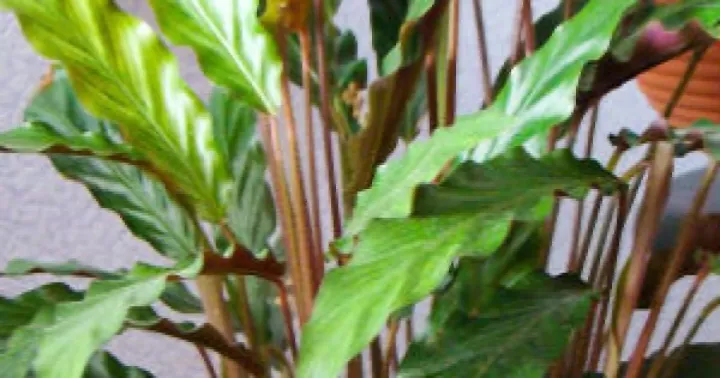
Description
Growing requirements
Goeppertia rufibarba is a perennial herbaceous plant belonging to the Marantaceae family. Originating from the tropical rainforests of Brazil, this plant is well-adapted to environments with high humidity and filtered, indirect light.
The plant is widely recognized for its lance-shaped leaves with wavy edges and a distinctive reddish fuzz on the underside and stalks. This velvety texture is a key botanical feature that distinguishes it from other species within the genus.
For optimal development, the plant requires a warm environment with temperatures maintained between 20 and 25 degrees Celsius. Protection from cold drafts and sudden thermal fluctuations is essential to prevent foliage damage.
The growing medium must be porous and slightly acidic, ensuring excellent drainage to avoid root stagnation. A mix involving peat, perlite, and high-quality potting soil is recommended for long-term health.
High relative humidity is crucial for maintaining the health of the leaves. Frequent misting or the use of humidifiers is necessary, especially during heating seasons, to replicate the tropical conditions of its native habitat.
Main diseases and pests
Spider mites are the most significant pests for Goeppertia rufibarba, flourishing in dry indoor air. Their presence can lead to stippling and yellowing of the leaves if not addressed through timely pest management strategies.
Root rot, often caused by overwatering and inadequate soil aeration, remains the primary threat to the plant's survival. This disease typically manifests as darkening of the stems and wilting despite moisture in the soil.
Mealybugs can also infest the plant, settling in the leaf axils. Regular inspection of the plant is recommended to identify and manually remove these pests before they establish large colonies.
Chemical control should be approached with caution, utilizing systemic insecticides when necessary. Preventive measures like maintaining cleanliness and proper spacing between plants are highly effective against infestations.
Monitoring the soil moisture levels before each irrigation helps prevent the onset of fungal infections. Providing a consistent and stable environment is the most effective way to ensure the plant remains vigorous and disease-free.