
Goeppertia majestica
Goeppertia majestica (Linden) Borchs. & S. Suárez
Description
Growing requirements
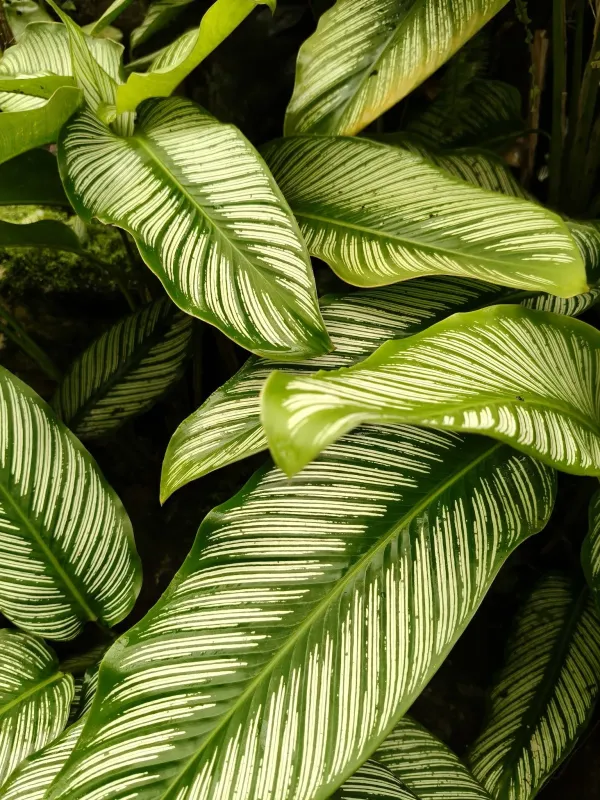
Goeppertia majestica is a perennial herb belonging to the Marantaceae family. Originating from the tropical rainforests of South America, this plant is well-known for its large, intricately patterned foliage that makes it a prized ornamental crop.
The climate requirements for this culture are strict: it thrives in temperatures ranging from 20 to 26 degrees Celsius. It is highly sensitive to cold drafts and sudden temperature fluctuations, which can lead to leaf curling and growth stagnation.
Successful cultivation requires a well-draining, slightly acidic substrate rich in organic matter. A mix of peat moss, perlite, and pine bark creates the ideal structure, ensuring sufficient aeration for the delicate root system while retaining necessary moisture.
Humidity is the most critical aspect of the plant's environment, requiring levels between 70% and 80%. In agricultural practice, controlled humidity prevents the foliage from browning at the edges, ensuring the plant retains its full aesthetic value.
Irrigation should be managed carefully by using soft, room-temperature water. The goal is to keep the soil consistently moist but never waterlogged. Overwatering is the primary cause of root asphyxiation, leading to rapid plant decline.
Main diseases and pests
Spider mites are the most persistent pest for Goeppertia majestica, especially in environments with low humidity. They thrive on the underside of the leaves, causing stippling and eventual leaf drop if left untreated.
Fungal pathogens such as Pythium and Phytophthora are common threats to the root system. These diseases are typically induced by poor drainage and excessive moisture, which facilitate the proliferation of harmful soil fungi.
Mealybugs and aphids can also affect the crop, particularly when the plants are grown in high-density indoor setups. Regular monitoring and physical removal, followed by soap or oil-based treatments, are effective control measures.
To prevent disease outbreaks, agricultural hygiene is paramount. This includes disinfecting pots, maintaining clean growing surfaces, and ensuring adequate air circulation around the canopy of the plants.
Integrated pest management strategies should focus on maintaining optimal environmental parameters first. When chemical intervention is necessary, systemic fungicides or acaricides should be applied strictly according to the manufacturer's recommendations.