
Goeppertia loeseneri x Goeppertia roseopicta
Goeppertia loeseneri x Goeppertia roseopicta
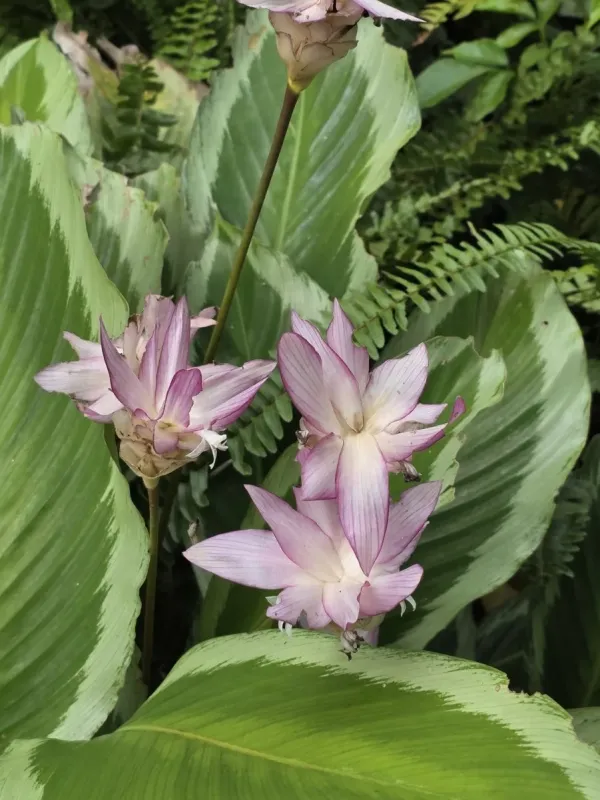
Description
Growing requirements
Goeppertia loeseneri x Goeppertia roseopicta is a cultivated hybrid belonging to the Marantaceae family. It combines the structural elegance of its parent species, resulting in a plant characterized by ornamental foliage with distinct patterns and recurring blooms that enhance its commercial appeal.
Native to tropical regions, this crop requires a controlled environment to thrive. It performs best in temperatures ranging from 20 to 26 degrees Celsius. Stability is essential, as the plant is highly sensitive to cold drafts and rapid temperature fluctuations, which can trigger physiological stress.
A high-humidity atmosphere is mandatory for healthy development. In greenhouse settings, professional growers should maintain a relative humidity level of at least 70 percent. Failure to provide sufficient ambient moisture often leads to leaf curling and marginal necrosis, significantly reducing the market value of the crop.
Soil requirements focus on high organic matter content and excellent drainage. A substrate mixture consisting of sphagnum peat, perlite, and pine bark creates the ideal structure for root aeration. Ensuring the pot has drainage holes is crucial to prevent root rot, which is a common issue in intensive cultivation.
Light management requires a balanced approach. While the plant appreciates bright light to maintain its vivid leaf coloration, direct sunlight must be avoided to prevent burning the delicate leaf tissue. Shade cloths or filtered lighting systems are standard in large-scale operations to optimize leaf health.
Main diseases and pests
Spider mites represent the most significant pest risk for this crop, especially in conditions where air circulation and humidity are poorly managed. Early detection and the introduction of biological control agents are often preferred in professional environments to maintain plant quality.
Fungal pathogens, particularly those causing root and crown rot, are major threats under conditions of excessive moisture and poor soil hygiene. Utilizing pathogen-free growing media and maintaining rigorous sanitary standards in the growing area are the primary methods for preventing these outbreaks.