
Goeppertia crocata
Goeppertia crocata (É. Morren & Joriss.) Borchs. & S. Suárez
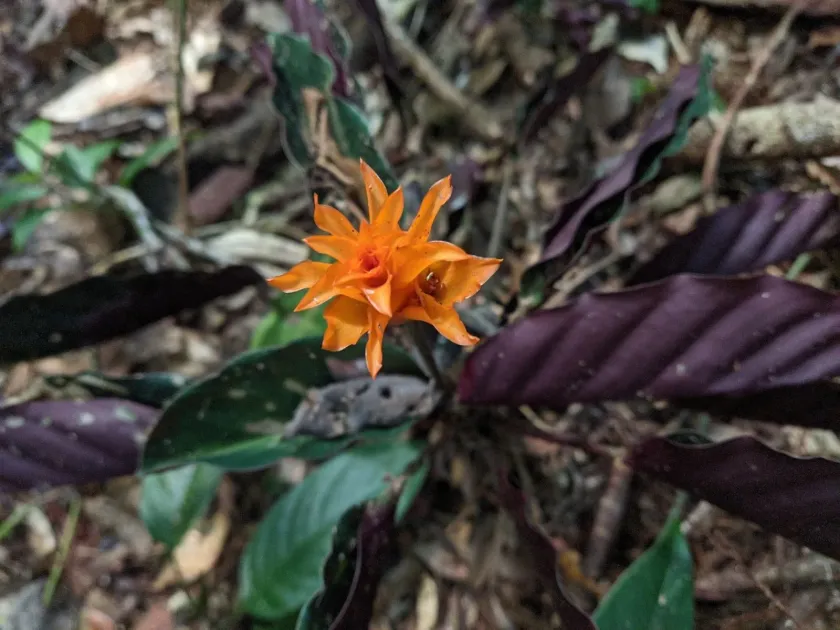
Description
Growing requirements
Goeppertia crocata, formerly known as Calathea crocata, is an ornamental perennial plant belonging to the Marantaceae family. Native to the Brazilian rainforests, it is prized for its stunning orange-yellow inflorescences and decorative foliage.
The climate requirements for this plant are quite specific: it thrives in temperatures between 18 and 25 degrees Celsius. It is highly sensitive to cold drafts, which can cause significant stress to the root system and foliage.
High humidity is essential for the health of Goeppertia crocata. Maintaining a humidity level of at least 70% is recommended. Frequent misting or placing the plant on a pebble tray with water helps replicate its natural tropical habitat.
The substrate should be well-drained and slightly acidic. A mix of peat moss, perlite, and pine bark provides the aeration and moisture retention necessary for vigorous root growth without the risk of waterlogging.
Lighting should be bright but indirect. Exposure to direct sun will scorch the leaves and fade their natural color. During short winter days, supplemental lighting can help the plant maintain its vigor and blooming potential.
Main diseases and pests
Spider mites are the most common pests for Goeppertia crocata. They thrive in dry indoor environments and target the undersides of leaves, causing yellowing and fine webbing throughout the plant.
Mealybugs are another potential threat. These insects appear as white, cotton-like masses, often hiding in the leaf axils. They feed on plant sap and can severely weaken the plant if left untreated.
Root rot, a fungal issue, is frequently caused by improper watering habits. If the soil remains soggy for too long, oxygen cannot reach the roots, leading to decay and eventual plant death.
Management of these threats involves using horticultural soap or specific systemic insecticides. Prevention is key: maintaining proper humidity levels significantly reduces the risk of spider mite infestation.
Routine inspections are vital for early detection of pests. By keeping the plant clean and providing adequate drainage, the risk of disease and insect pressure remains minimal throughout the growing season.